End-of-Year Specials: $50 Off Full Hose Bib Replacement & $200 Off Hydro Jetting →



How Soil Shifting in North Texas Impacts Sewer Lines and Drains
absolute plumbing Inc.
Back to Blog
How Soil Shifting in North Texas Impacts Sewer Lines and Drains
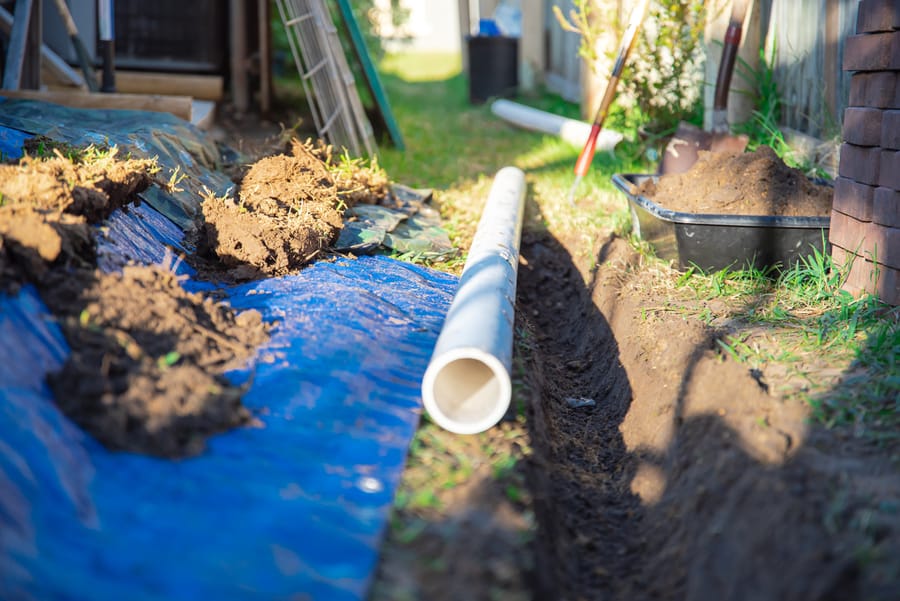
In North Texas, homeowners are accustomed to the dramatic shifts in weather, from scorching summer droughts to intense spring thunderstorms. While these patterns are visible above ground, they trigger a much more subtle and destructive process deep beneath your property. The soil in areas like Flower Mound, Highland Village, and Lantana is primarily composed of expansive clay, which acts like a giant sponge. This geological characteristic is the leading cause of underground plumbing failure across the DFW Metroplex.
At Absolute Plumbing, we have seen firsthand how the “push and pull” of North Texas soil can sabotage even the most well-built sewer systems. Understanding how this soil behaves and the stress it places on your drains is the first step in protecting your home’s foundation and plumbing health. In this guide, we will break down the mechanics of soil shifting and how to spot the early warning signs of a sewer line in distress.
The Science of Expansive Clay Soil
The North Texas region sits on a bed of highly reactive clay minerals, often referred to as Blackland Prairie soil. This soil is unique because of its ability to absorb and release massive amounts of water, leading to significant volume changes.
The Shrink-Swell Cycle
When it rains, the clay minerals absorb water and swell upward and outward with incredible force. Conversely, during a dry spell or a Texas drought, the soil loses moisture and shrinks, often creating large, visible cracks on the surface.
-
Upward Heave: During wet seasons, the expanding soil can literally lift sections of your sewer pipe, pushing them out of their original graded alignment.
-
Settling and Dips: As the soil dries out and contracts, it leaves “voids” or empty pockets beneath the pipes. Without proper support, the heavy pipes sink into these gaps, creating what plumbers call a “belly” or a sag in the line.
-
Tension on Joints: The constant movement puts a relentless “tug of war” on the joints where two sections of pipe meet. Over time, these seals can pull apart or snap entirely.
Impact on Older Materials
While modern PVC piping has some flexibility, many older homes in our area still have sewer lines made of vitrified clay or cast iron. These materials are rigid and brittle, meaning they do not “bend” with the soil. Instead, they crack or shatter under the pressure of the shifting earth.
Common Sewer Issues Caused by Shifting Soil
When the ground beneath your feet is constantly in motion, your plumbing system bears the brunt of that physical stress. There are three primary ways that soil shifting manifests as a plumbing emergency.
Sewer Line Bellies
A “belly” is a sag or U-shaped dip in your sewer line caused by uneven soil settling. Because sewer lines rely on a precise “slope” to move waste away from your home using gravity, a belly acts like a trap.
-
Standing Water: Waste and water collect in the low spot of the pipe instead of flowing toward the city main.
-
Chronic Clogs: Heavy debris and toilet paper settle in the belly, eventually creating a solid blockage that causes water to back up into your sinks and showers.
-
Structural Strain: The weight of the standing water in a bellied pipe puts even more pressure on the already stressed material, accelerating the risk of a total collapse.
Separation at the Foundation
The area where your plumbing exits the “concrete envelope” of your home’s slab is a major stress point. Your house is a heavy, stable structure, but the yard soil around it is moving.
-
Shear Breaks: As the yard soil sinks or heaves, it can literally “shear” the pipe right at the edge of the foundation.
-
Slab Leaks: If the shifting soil causes a pipe to break beneath the concrete, it is known as a slab leak. This can lead to water saturating the ground under your home, which causes even more soil expansion and can eventually crack your foundation.
Root Intrusion
Soil shifting and root intrusion go hand in hand. When the ground moves and creates a tiny hairline crack or a loose joint in your pipe, moisture and nutrient rich vapors escape into the soil.
-
Seeking Moisture: During dry North Texas summers, tree roots are desperate for water. They follow the moisture trail to the crack in your pipe.
-
Infiltration: Once inside, the roots grow rapidly, fed by the constant water supply. This expands the original crack, leading to further structural failure of the sewer line.
Warning Signs of Soil-Related Plumbing Damage
Because your sewer lines are buried deep underground, damage from soil movement often goes unnoticed until a major backup occurs. However, there are several “early warning” signals that your system is struggling with ground shift.
Multiple Slow Drains
If a single sink is backed up, you likely have a local clog. But if your toilets, showers, and kitchen sink are all draining slowly at the same time, the problem is in the main line. This is a classic sign of a belly or a partial collapse caused by soil movement.
Unusual Noises and Odors
Your plumbing system should be silent and airtight. If you start noticing new sounds or smells, it is time for an inspection.
-
Gurgling Toilets: This sound happens when air is trapped in the line by standing water or a blockage. If your toilet gurgles when you run the shower, your main line is struggling to move air and waste.
-
Sewer Gas Smells: If you smell “rotten eggs” in your yard or near your floor drains, it means sewer gas is escaping through a crack or a separated joint in the line.
Yard and Foundation Red Flags
Sometimes the best way to diagnose a sewer problem is to look at the ground itself.
-
Soggy Patches: If you have a damp spot in your yard that never dries out, even in the Texas heat, you likely have a broken pipe leaking wastewater into the soil.
-
Lush Grass: Unusually green or fast-growing patches of grass often sit directly above a leaking sewer line, as the sewage acts as a potent fertilizer.
-
New Foundation Cracks: If you notice new cracks in your drywall or exterior brick, the soil shifting that caused those cracks has almost certainly placed stress on your underground pipes as well.
How Absolute Plumbing Protects Your North Texas Home
At Absolute Plumbing, we specialize in diagnosing and repairing the unique soil-related issues faced by homeowners in Denton County. We use advanced technology to find the exact source of your problem without unnecessary digging.
High Definition Camera Inspections
We don’t guess when it comes to your sewer line. We send a waterproof, high-resolution camera through your pipes to identify bellies, cracks, and root clusters. This allows us to show you exactly what is happening so you can make an informed decision.
Leak Detection and Slab Repair
If you suspect a leak beneath your home, we use specialized electronic leak detection to pinpoint the location of the break. Whether it requires a reroute or a targeted slab repair, we focus on solutions that are durable and designed for the North Texas environment.
Hydro-Jetting and Pipe Descaling
If shifting soil has caused your cast iron pipes to develop heavy scale or clogs, we use high pressure hydro-jetting to scrub the lines clean. This restores the full diameter of the pipe and helps prevent the debris “snags” that lead to backups in bellied lines.
Secure Your Sewer Line with Absolute Plumbing
Is your home showing signs of underground distress? Do not wait for a major backup to protect your property. The team at Absolute Plumbing is ready to provide a comprehensive sewer and drain assessment for your Flower Mound area home. From camera inspections to expert leak detection and sewer repair, we provide the honest, reliable service you can count on.
Contact us today to schedule your appointment and ensure your plumbing is built to last.
Recent News
Is Hydro Jetting Worth It for Recurring Drain Problems in Flower Mound?
7 Signs You May Have a Gas Leak in Your Flower Mound, TX Home
Hard Water Crust on Disposal Blades: Fighting Limescale in Flower Mound Sinks

Low-Flow vs. High-Performance: Choosing Toilets for Flower Mound Homes
Electronic Descale Benefits for Flower Mound Homes: Pipe & Appliance Longevity
Summer Storm & Irrigation Impact on Flower Mound Drains & Sewer Lines