Mon-Fri
8am-5pm


Why Your Water Heater Struggles More During Winter in Flower Mound
absolute plumbing Inc.
Back to Blog
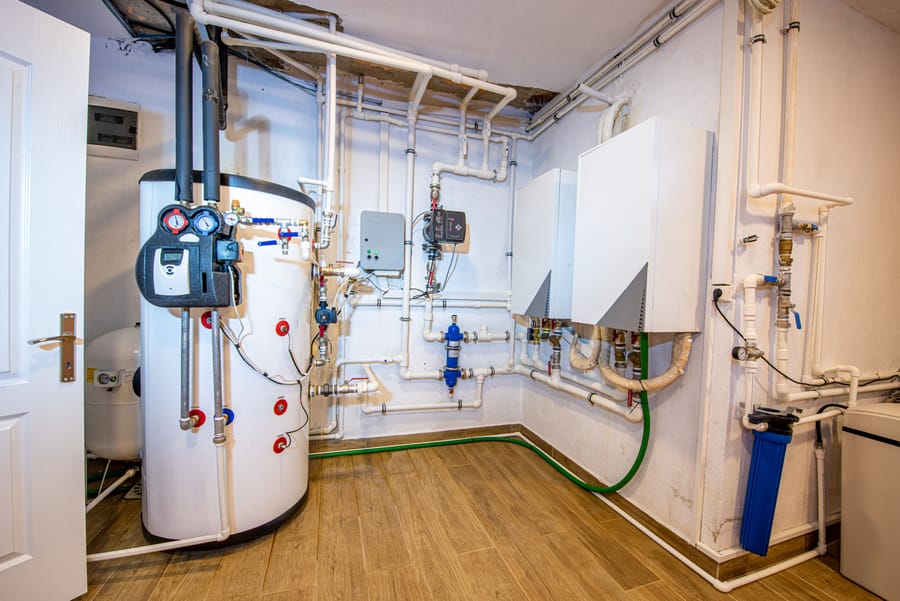
Why Your Water Heater Struggles More During Winter in Flower Mound
During the peak of a North Texas winter, your home becomes a refuge from the biting winds that sweep across Flower Mound. You rely on your water heater to provide the steaming showers and hot water for laundry that make the season manageable. However, many homeowners notice that during the months of December, January, and February, their hot water seems to run out faster or takes much longer to recover. This is not just your imagination; it is a result of the unique environmental pressures that the winter season places on your plumbing system.
At Absolute Plumbing, we see a significant spike in water heater service calls as soon as the first freeze hits Denton County. Whether you have a traditional tank system or a modern tankless unit, the physics of the cold season changes how your equipment performs. In this guide, we will explore the specific reasons why your water heater struggles during a Flower Mound winter and what you can do to ensure your family stays comfortable until spring.
The Challenge of Lower Inlet Temperatures
The primary reason your water heater feels less effective in the winter is the temperature of the water entering the system. In the summer, the ground in North Texas is warm, and the water coming from the city main into your home might be as high as 75 degrees. When the winter chill sets in, that “inlet temperature” can drop significantly.
Increasing the “Temperature Rise”
Your water heater is designed to heat water to a specific set point, usually 120 degrees. The effort required to reach that goal depends entirely on where the water starts.
-
The Summer Delta: If the incoming water is 75 degrees and your goal is 120, the unit only has to raise the temperature by 45 degrees.
-
The Winter Delta: If the incoming water drops to 45 degrees during a cold snap, the unit must now raise that temperature by 75 degrees to reach the same comfort level.
-
Impact on Recovery Time: This massive increase in “work” means the heating elements or gas burners must run much longer to heat a single tank of water. If your family takes back to back showers, the system will struggle to keep up because it is fighting a much steeper uphill battle.
Thermal Standby Loss
In the winter, the air surrounding your water heater is much colder, especially if the unit is located in an uninsulated garage or an attic. This creates a phenomenon known as standby heat loss. The heat inside the tank is constantly trying to escape into the cold air. This forces the unit to fire up more frequently just to maintain its internal temperature, even when you aren’t using any hot water.
The Hard Water and Sediment Factor
North Texas is known for having relatively “hard” water, which is rich in minerals like calcium and magnesium. These minerals are the hidden enemies of your water heater, and their impact becomes much more apparent when the system is working at its hardest during the winter.
Sediment as an Insulator
Over time, minerals settle at the bottom of your water heater tank, forming a thick layer of sediment. Because the heating source for a gas water heater is at the bottom, this sediment acts as an insulating blanket.
-
Burner Inefficiency: The burner has to heat through the layer of “rock” before it can heat the water. During the winter, when the unit is already struggling with cold inlet water, this extra barrier can make the system feel incredibly sluggish.
-
Popping and Rumbling: If you hear a “kettling” or popping sound coming from your heater, it is a sign that water is being trapped under the sediment and boiling. This is a major red flag that your system is under extreme mechanical stress.
-
Reduced Volume: Sediment takes up physical space. In a 50 gallon tank, several inches of sediment can reduce your hot water capacity by several gallons, which is why your showers seem shorter when the weather gets cold.
The Strain on Tankless Water Heaters
Many Flower Mound homeowners have switched to tankless water heaters for their energy efficiency and “endless” hot water. While these systems are excellent, they are not immune to the winter struggle. In fact, a tankless unit has to work harder than a tank unit to overcome the cold inlet temperatures.
GPM and Temperature Rise
A tankless water heater is rated by its “flow rate” or Gallons Per Minute (GPM). This rating changes based on the required temperature rise.
-
Summer Capacity: When the incoming water is warm, your tankless unit might be able to support two showers and a dishwasher simultaneously.
-
Winter Capacity: When the incoming water is near freezing, the unit has to slow down the flow of water to ensure it has enough time to heat it to 120 degrees. This results in lower water pressure at the tap or the inability to run multiple fixtures at once.
-
The “Sandwich” Effect: If the unit is working at its maximum capacity to overcome the cold, you might experience the “cold water sandwich,” where the water fluctuates between hot and cold as the system tries to stabilize the burner output.
Protecting Your System: Winter Maintenance Tips
At Absolute Plumbing, we believe that a little bit of proactive maintenance can go a long way in preventing a mid-winter breakdown. You can take several steps to help your water heater handle the North Texas cold more effectively.
Flush the Tank Annually
The most important thing you can do for a tank water heater is to have it professionally flushed. Removing the mineral sediment restores the direct contact between the heat source and the water, which improves recovery time and reduces energy bills.
Insulate Your Pipes and Tank
If your water heater is in a cold garage or attic, it is losing heat through its “skin” and through the pipes that lead into your home.
-
Pipe Sleeves: Installing foam insulation on the first few feet of the hot and cold water lines reduces heat loss as the water travels to your faucets.
-
Insulation Blankets: For older tanks, a specialized insulation blanket can significantly reduce standby heat loss. However, you must be careful not to block the air intake or the pressure relief valve.
Adjust the Thermostat
If your water is consistently lukewarm in the winter, you might consider bumping the thermostat up by 5 degrees. However, we never recommend going above 125 degrees, as this creates a significant risk of scalding, especially for children and the elderly.
Get Your Winter Water Heater Check with Absolute Plumbing
Is your hot water struggling to keep up with the cold? Do not wait for a total system failure in the middle of a freeze. The team at Absolute Plumbing is ready to provide a comprehensive water heater diagnostic. From professional sediment flushing to tankless descaling and efficiency tune-ups, we provide the expert service you need for a worry-free winter.
Contact us today to schedule your maintenance and stay cozy all season long.
Recent News
Hard Water Crust on Disposal Blades: Fighting Limescale in Flower Mound Sinks
Low-Flow vs. High-Performance: Choosing Toilets for Flower Mound Homes
Electronic Descale Benefits for Flower Mound Homes: Pipe & Appliance Longevity
Summer Storm & Irrigation Impact on Flower Mound Drains & Sewer Lines
Slab Leak Symptoms Every Flower Mound Homeowner Should Recognize
Transparent Plumbing Quotes: Why Honesty Matters in Flower Mound, TX