Mon-Fri
8am-5pm


Gas Line Safety in Texas Homes: What to Do Before Cold Weather Arrives
absolute plumbing Inc.
Back to Blog
Gas Line Safety in Texas Homes: What to Do Before Cold Weather Arrives
Cold weather can place unexpected stress on gas lines in Texas homes. When temperatures drop, natural gas systems work harder, which can reveal issues that were not noticeable during warmer months. Homeowners who prepare before winter arrives reduce the risk of leaks, appliance failures, and dangerous safety hazards.
This blog explains what Texas homeowners need to know about seasonal gas line safety. It covers how gas systems work, why cold weather increases risks, which warning signs to watch for, and the steps to take right now to protect your home. By preparing early, families can stay safe, warm, and confident throughout the winter season.
Understanding Gas Lines in Texas Homes
Gas lines supply fuel to essential home systems like water heaters, furnaces, stoves, and fireplaces. To keep these systems operating safely, it helps to understand the basic layout of a residential gas system and how each part supports daily use.
Most Texas homes rely on natural gas delivered through underground utility lines, while some rural areas use propane stored in on site tanks. Even though the fuel sources differ, the delivery components share similar functions and safety considerations.
Homeowners do not need to be experts, but knowing a few key parts of the system can make it easier to spot problems early.
Key Components of a Home Gas System
-
Main service line which brings gas from the utility to the home
-
Gas meter which measures usage and helps regulate incoming pressure
-
Pressure regulator which ensures appliances receive the correct flow of gas
-
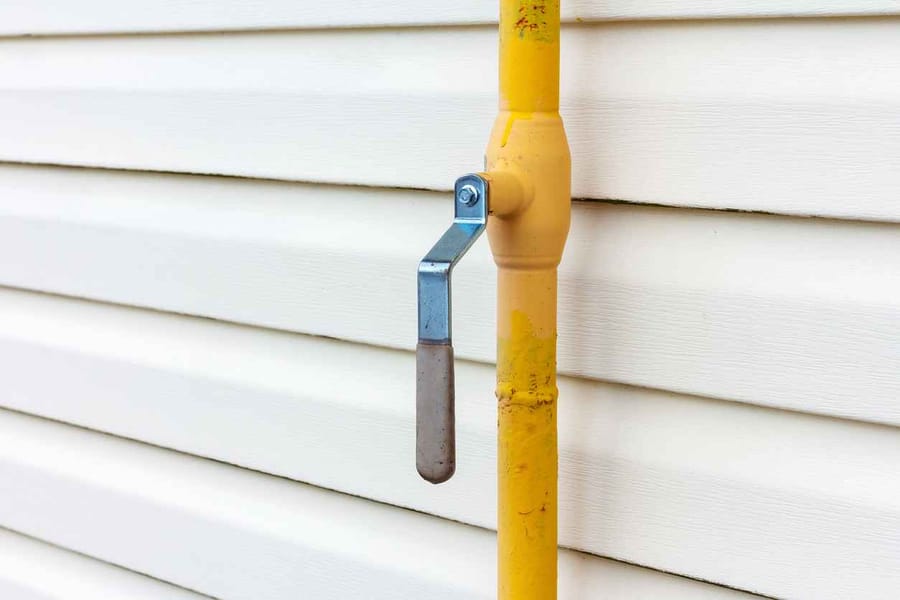
Shutoff valves located at the meter and at individual appliances
-
Interior branch lines which distribute gas to each appliance
Understanding these components helps homeowners recognize when something looks or sounds unusual. This awareness becomes especially valuable as cold weather begins to strain older or unmaintained systems.
Why Cold Weather Increases Gas Line Risks
Texas winters can shift quickly, and those temperature swings add stress to residential gas systems. As the weather cools, demand for gas rises and pipes experience natural contraction, which can reveal hidden weaknesses. Homeowners benefit from understanding how these seasonal changes affect their systems.
How Cold Weather Impacts Gas Lines
Cold temperatures can strain gas lines and appliances in several important ways that increase the chance of leaks or malfunctions.
-
Pressure inside gas lines can fluctuate as temperatures drop
-
Metal pipes may contract in cold weather which can loosen joints or seals
-
Gas appliances run more often which increases overall system demand
-
Closed up homes during winter make small leaks harder to notice
This combination of factors makes early preparation essential for safety and reliability.
Warning Signs of Gas Line Problems
Gas line issues often start small, but even minor warning signs can indicate a serious safety risk. Homeowners who recognize these early indicators are better prepared to protect their families and prevent larger system failures. Paying attention to unusual smells, sounds, or appliance behavior is an important part of seasonal home maintenance.
Common Physical Warning Signs
These signs can signal a leak or pressure problem and should never be ignored.
-
A rotten egg or sulfur-like odor around the home or yard
-
Hissing or whistling noises near gas lines or appliances
-
Dead or discolored vegetation above underground gas lines
-
Dust blowing or bubbling in wet soil near a buried line
Appliance Performance Issues
Gas appliances may behave differently when there is a problem with the supply or pressure.
-
Pilot lights that flicker or go out
-
Burners that produce weak or unusual flames
-
Heating systems that struggle to maintain temperature
Health Symptoms That Suggest a Leak
Exposure to natural gas or carbon monoxide can affect the people inside the home.
-
Headaches, dizziness, or nausea
-
Fatigue or confusion that improves when leaving the house
-
Pets acting unusually lethargic or distressed
If any of these red flags appear, homeowners should take immediate action by leaving the home and contacting professionals who can diagnose the issue safely.
Essential Steps to Take Before Cold Weather Arrives
Preparing gas systems before temperatures drop is one of the most effective ways to prevent leaks, appliance failures, and emergency repairs. Homeowners who take these precautionary steps gain peace of mind and improve the safety of their heating systems throughout the winter season.
Schedule a Professional Gas Line Inspection
A yearly inspection helps identify small issues before they become hazards. Technicians evaluate the full system to ensure everything is operating safely and efficiently.
-
Inspection includes testing for leaks and checking pressure levels
-
Technicians examine visible lines, valves, and appliance connections
-
Early detection can prevent costly repairs during peak winter use
Test and Maintain Gas Appliances
Heating systems work much harder in cold weather. Preparing them in advance supports both safety and performance.
-
Clean or replace filters in furnaces and heaters
-
Confirm that pilot lights and ignition systems function properly
-
Have fireplaces and gas logs inspected for safe operation
Check Exposed Gas Line Areas
Outdoor sections of gas lines are more vulnerable to weather related wear. A visual check helps catch problems early.
-
Inspect the area around the meter for damage or corrosion
-
Look for rust, cracks, or loose fittings on exposed piping
-
Keep vegetation and debris away from the meter and line entry points
Review Home Safety Devices
Carbon monoxide detectors and natural gas alarms play a critical role in early warning. Ensuring they work properly is essential before winter begins.
-
Test all alarms and replace batteries if needed
-
Install detectors on every level of the home
-
Replace outdated units according to manufacturer guidelines
Know Where and How to Shut Off Your Gas Supply
Knowing how to turn off the gas can prevent a dangerous situation from escalating. Every homeowner should be familiar with their main shutoff valve.
-
The valve is usually located near the gas meter
-
Only use it when you suspect a leak and it is safe to do so
-
Once shut off, a professional must restore service
Taking these steps before cold weather arrives helps protect both your home and your family from seasonal gas line hazards.
What to Do If You Suspect a Gas Leak
A suspected gas leak should always be treated as an emergency. Quick action protects the health and safety of everyone in the home. Even if you are unsure, responding immediately is far safer than waiting to confirm the problem.
Immediate Safety Steps
If you sense a gas leak, your top priority is to remove everyone from potential danger without creating sparks or ignition sources.
-
Leave the home right away and bring all family members and pets with you
-
Do not use light switches or electrical devices
-
Avoid using phones or starting vehicles near the property
-
Do not try to locate the leak on your own
When to Evacuate
Any sign of a leak requires evacuation. Staying inside to investigate can increase risk.
-
If you smell gas anywhere inside or outside
-
If you hear hissing coming from pipes, walls, or appliances
-
If you feel dizzy or lightheaded while indoors
Who to Contact First
Once you are safely away, reporting the situation ensures a fast and professional response.
-
Call your local gas company’s emergency line
-
Contact emergency services if the leak appears severe
-
Notify a licensed plumbing or gas professional after authorities secure the area
What Not to Do
Avoid any actions that could worsen the leak or ignite gas in the air.
-
Do not relight pilot lights
-
Do not try to repair or tighten fittings
-
Do not return to the home until a professional confirms it is safe
Responding quickly and calmly keeps the situation under control and protects your home from further damage.
Texas Regulations and Safety Requirements
Texas has specific safety guidelines for residential gas systems to help protect homeowners and reduce the risk of dangerous leaks. Understanding these rules gives homeowners a clearer sense of what inspectors look for and what is required to stay compliant. While regulations can vary slightly by region, the core expectations remain consistent across most Texas communities.
Local Standards for Gas Systems
Texas municipalities follow state level safety codes that outline how gas lines should be installed, maintained, and inspected.
-
Gas lines must meet state approved material and installation standards
-
Repairs must be completed by licensed professionals
-
New construction or system modifications require permits in many areas
Inspection Frequency Recommendations
Although annual inspections are widely encouraged, some homes benefit from more frequent evaluations based on age, location, or previous issues.
-
Older homes may require more regular checks
-
Homes with propane systems may need separate tank inspections
-
After major storms or shifting soil conditions, a follow up inspection is recommended
Utility Company Guidelines
Utility providers in Texas offer their own safety recommendations and may require certain steps from homeowners.
-
Providers may shut off service during emergencies or known leaks
-
Customers are encouraged to report unusual odors or pressure issues
-
Some utilities offer seasonal safety programs or discounted checks
Following Texas regulations helps ensure your home meets safety standards and reduces the likelihood of unexpected winter related gas problems.
Benefits of Preparing Early for Winter
Taking steps to secure your gas system before cold weather arrives provides both immediate and long term advantages. When homeowners prepare early, they reduce the risk of emergencies and improve the performance of essential heating equipment. Winter becomes easier to manage when the home is already equipped to handle increased demand.
Safety and Peace of Mind
A well prepared gas system lowers the chance of leaks or malfunctions during peak heating season.
-
Reduced likelihood of sudden gas leaks
-
Lower risk of carbon monoxide exposure
-
Confidence that appliances will operate reliably when temperatures drop
Improved System Efficiency
Proper maintenance supports better fuel use and helps appliances run at their best.
-
Heating systems warm the home more evenly
-
Appliances require less energy to achieve the same results
-
Lower monthly utility bills throughout the winter
Longer Lifespan for Equipment
Gas systems and connected appliances last longer when they are inspected regularly and maintained properly.
-
Less wear and tear on pipes and valves
-
Fewer emergency repairs
-
Longer service life for heaters, water heaters, and fireplaces
Preparing early ensures your home stays warm, safe, and efficient during the coldest months of the year.
Staying Safe and Prepared for Texas Winter
Cold weather can create unexpected challenges for gas systems in Texas homes, but early preparation helps prevent many of the most serious problems. By understanding how gas lines work, recognizing warning signs, and completing essential maintenance before winter arrives, homeowners can protect their families and avoid costly emergency repairs. A few proactive steps now create a safer and more comfortable home throughout the season.
For homeowners who need professional support, we are ready to help with inspections, repairs, and winter preparation services. Contact us today to keep your home safe and your gas system operating smoothly all winter long.
Recent News
Transparent Plumbing Quotes: Why Honesty Matters in Flower Mound, TX
Professional Inspection vs. The “DIY Eye”: What Homeowners Miss in the Spring
The Cost of Delay: How a Small Spring Leak Becomes a Summer Foundation Repair
Why North Texas Homes Experience More Pipe Leaks in Winter and Early Spring
Why Your Water Heater Struggles More During Winter in Flower Mound
How Soil Shifting in North Texas Impacts Sewer Lines and Drains