Mon-Fri
8am-5pm


How to Winterize Your Plumbing Before the First Texas Freeze
absolute plumbing Inc.
Back to Blog
How to Winterize Your Plumbing Before the First Texas Freeze
Texas weather can shift from warm afternoons to freezing temperatures with very little warning. When the first major cold front sweeps across the state, unprepared plumbing systems often freeze, crack, or burst. Many Texas homes are not designed for prolonged cold, which makes early winterization an essential step for protecting your pipes and preventing costly repairs.
A frozen pipe can stop water flow, damage walls and flooring, and create expensive water cleanup issues. The good news is that most cold weather plumbing problems can be avoided with the right preparation. This blog explains how to winterize your plumbing before the first Texas freeze hits, with practical steps that help you safeguard your home long before temperatures drop.
Know Your Home’s Vulnerable Plumbing Areas
Before you can protect your plumbing from freezing temperatures, you need to understand which areas of your home are most at risk. Many Texas homes were not built with severe cold in mind, which means pipes may be exposed or poorly insulated. Identifying these weak spots early helps you prepare long before the first freeze arrives.
Common Areas Where Texas Pipes Freeze
Some parts of the home cool down faster than others. Pipes in exterior walls, garages, attics, crawl spaces, and basements face the highest risk. Cold air can enter through cracks, vents, or poorly sealed gaps and settle around the plumbing, lowering the temperature of the pipes quickly. Outdoor faucets and hose bibs also freeze faster because they sit directly in the path of cold winter winds.
How Building Age and Design Influence Vulnerability
Older Texas homes often have minimal insulation around their plumbing, especially in garages or attic spaces. Newer homes may still be vulnerable if they rely on long pipe runs that pass through unconditioned areas. Homes built on pier and beam foundations tend to cool faster, while homes with large exterior walls can experience rapid heat loss. Understanding how your home is constructed helps you prioritize where to start winterizing.
Insulate Exposed Pipes Before Temperatures Drop
Insulating exposed pipes is one of the most effective ways to prevent freezing during the first Texas cold snap. Since temperatures can fall quickly, pipes that are left unprotected are much more likely to freeze, crack, or burst. Adding insulation creates a protective barrier that helps your plumbing maintain a safe temperature even on the coldest nights.
Foam Tubing vs Heat Tape
Foam tubing is one of the simplest and most affordable ways to protect exposed pipes. It fits directly over the pipe and provides reliable insulation that slows heat loss. Heat tape is another option that offers active protection by warming the pipe when the temperature drops. Many homeowners use foam tubing for general insulation and heat tape for pipes in high risk areas that face stronger cold exposure.
How to Properly Wrap Pipes for Maximum Protection
To get the most out of your insulation efforts, make sure the pipes are dry and clean before installing foam tubing or heat tape. Cover the entire length of the pipe without leaving gaps, and secure the insulation with weather resistant tape if needed. Pay special attention to joints, bends, and valves since these spots cool faster. Once the insulation is in place, double check for areas where cold air could leak in and seal them with caulk or spray foam.
Protect Outdoor Faucets and Hose Bibs
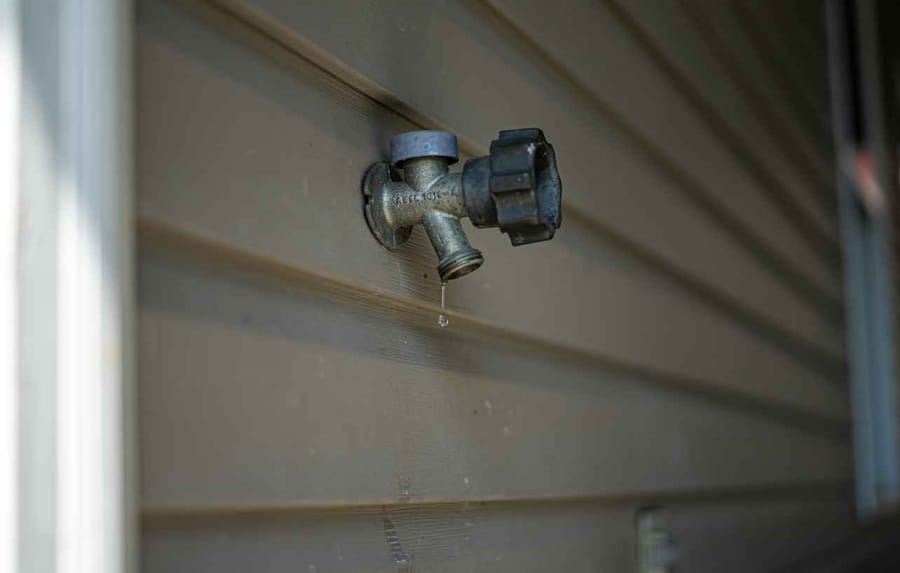
Outdoor plumbing is one of the first parts of a Texas home to freeze when temperatures drop. Faucets and hose bibs sit directly in the path of cold winter winds, which means they lose heat quickly and can freeze within hours. Preparing them ahead of time helps prevent burst pipes and costly water damage.
How to Drain Exterior Plumbing Lines
Start by disconnecting all garden hoses and emptying any water left inside them. Leaving hoses attached traps water in the faucet, increasing the chance of ice buildup. Once the hose is removed, turn off the interior shutoff valve if your home has one, then open the outdoor faucet to let remaining water drain out. Allowing the line to fully empty reduces pressure and protects the pipe from freezing.
Best Outdoor Faucet Covers for Texas Weather
After draining the faucet, install an insulated outdoor faucet cover. Foam covers, insulated bags, and hard shell protectors all work well in Texas climates. These covers help trap heat around the faucet and block cold wind. For added protection during extreme temperature drops, wrap the faucet with a layer of cloth or foam before placing the cover on. This additional insulation helps reduce the risk of freezing during the first major cold front.
Safeguard Your Water Heater from Cold Weather
Your water heater works harder during the winter, and freezing temperatures can affect its performance if it is not properly protected. Many Texas homes have water heaters located in garages, attics, or exterior utility closets that are not well insulated. Preparing this appliance before the first freeze helps maintain hot water and prevents damage to the unit.
Checking the Temperature Setting
Before cold weather arrives, inspect your water heater’s temperature setting. A setting of around 120 degrees Fahrenheit is usually ideal. This temperature protects the system from unnecessary strain and keeps water warm enough to resist freezing inside the tank or connecting pipes. If your water heater is placed in an especially cold area, verify that the thermostat is working correctly and adjust it if needed.
Adding Insulation Blankets for Efficiency
Water heater insulation blankets are a simple way to keep the tank warmer during a freeze. These wraps help reduce heat loss and prevent the system from overworking. If your water heater is located in a garage or unconditioned space, insulating the hot and cold water lines connected to the tank adds even more protection. Insulating the pipes helps prevent freezing and maintains consistent water flow during cold weather events.
What to Do Inside Your Home Before a Freeze
Preparing the inside of your home is just as important as protecting outdoor plumbing. When temperatures drop suddenly, indoor pipes located in cold corners of the house can still freeze if they are not properly warmed. Taking a few simple steps before the first Texas freeze helps maintain steady water flow and reduces the chances of pipe damage.
Opening Cabinets to Improve Airflow
Cabinets that hide kitchen and bathroom plumbing can trap cold air and lower pipe temperatures quickly. Opening these doors allows warm air from your heating system to circulate around the pipes. This added airflow helps prevent freezing and reduces the risk of sudden drops in water pressure. It is especially helpful for sinks located on exterior walls, which cool down much faster.
Letting Faucets Drip
Allowing faucets to drip slowly during a freeze keeps water moving through the pipes. Even a small, steady stream can prevent pressure buildup inside the line. This movement helps reduce the chances of ice forming in vulnerable areas. Focus on faucets connected to pipes that run through unheated spaces like garages, attics, or crawl spaces.
Keeping the Home Heated During the Freeze
Maintaining a consistent indoor temperature is one of the strongest defenses against frozen pipes. Set your thermostat to stay at the same temperature throughout the day and night. This helps protect areas of the home that naturally cool down after sunset. If certain rooms feel drafty, add temporary insulation or close doors to limit cold air movement.
Prepare Your Plumbing Before the First Texas Freeze
Winter weather in Texas can be unpredictable, but preparing early gives you the best chance of avoiding costly plumbing damage. If you have identified vulnerable pipes, insulated exposed areas, protected outdoor faucets, and taken steps inside your home, you are already ahead of the first freeze. These simple actions help keep your water flowing and reduce the risk of burst pipes during sudden temperature drops.
If you want expert help or want to make sure your home is fully protected, the team at Absolute Plumbing is ready to assist. A professional winterization service ensures every part of your plumbing system is prepared for cold weather. Contact Absolute Plumbing today to schedule your appointment and keep your home safe all winter long.
Recent News
Transparent Plumbing Quotes: Why Honesty Matters in Flower Mound, TX
Professional Inspection vs. The “DIY Eye”: What Homeowners Miss in the Spring
The Cost of Delay: How a Small Spring Leak Becomes a Summer Foundation Repair
Why North Texas Homes Experience More Pipe Leaks in Winter and Early Spring
Why Your Water Heater Struggles More During Winter in Flower Mound
How Soil Shifting in North Texas Impacts Sewer Lines and Drains