Mon-Fri
8am-5pm


Professional Inspection vs. The “DIY Eye”: What Homeowners Miss in the Spring
absolute plumbing Inc.
Back to Blog
Professional Inspection vs. The “DIY Eye”: What Homeowners Miss in the Spring
As the first signs of green appear across the lawn, many homeowners feel a familiar surge of energy. This seasonal shift usually inspires a long list of house projects designed to refresh the property after a grueling winter. While tidying up the garden and cleaning the windows are standard tasks, the plumbing system often becomes a primary target for the DIY eye. It is natural to want to handle minor maintenance yourself, especially when you are already in a productive mindset. However, there is a significant difference between a superficial cleanup and a technical diagnostic. At Absolute Plumbing, we have seen how well-meaning homeowners can easily overlook the subtle warnings that a professional technician is trained to spot immediately.
The danger of the DIY eye lies in its focus on what is visible and immediate. You might notice a slightly damp patch under a sink or a faucet that needs a firmer turn to stop a drip. While these seem like simple fixes, they are often the external symptoms of deeper systemic issues caused by the expansion and contraction of pipes during the winter months. Spring is a unique season for plumbing because it reveals the damage that occurred in the dark, frozen corners of your home weeks or months ago. This guide explores the critical areas where professional vigilance outperforms amateur observation, ensuring your home remains dry and functional through the rainy months ahead. Understanding what you might be missing is the first step toward preventing a minor spring project from turning into a major summer catastrophe.
The Deceptive Nature of Minor Spring Drips
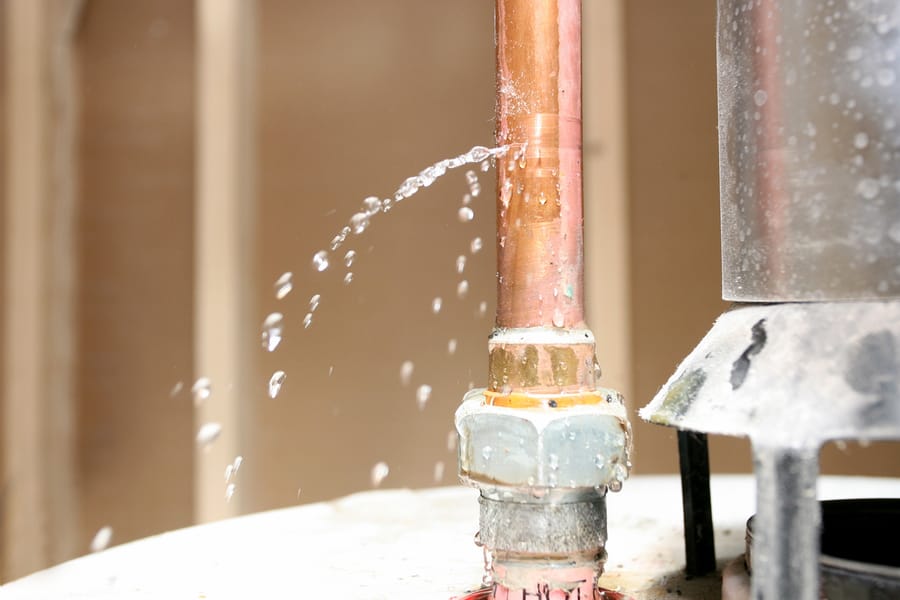
When you first turn on your fixtures in the spring, a small drip might seem like a trivial nuisance. Many homeowners reach for a wrench to tighten a fitting or apply a bit of sealant to a visible leak. While this might stop the immediate spray, it often fails to address the underlying cause of the failure. In many cases, these drips are the result of hairline fractures that occurred when water inside the pipe expanded as it froze.
Why Small Leaks Are Major Risks
-
Structural Compromise: Water that seeps behind walls or into subflooring can soften support beams and warp wood framing over time.
-
Secondary Damage Costs: In 2026, the average cost to repair water damage in a bathroom or kitchen ranges from 1,500 to 4,000 dollars, largely due to hidden mold and rot.
-
Pressure Stress: A leak is often a sign of uneven pressure within the system. Patching the leak without testing the pressure can lead to a more violent pipe burst elsewhere in the line.
Professional plumbers do not just look at the drip; they look at the integrity of the entire run. We use moisture meters and pressure gauges to ensure that the fix is permanent rather than a temporary Band-Aid.
The Invisible Danger: Slow Drains and Main Line Health
Spring cleaning often involves a lot of extra water and debris going down your drains. If you notice the water is swirling a bit slower than usual, the DIY instinct is to reach for a bottle of chemical drain cleaner. These products are problematic for several reasons. Not only are they corrosive to older pipes, but they also only clear a small path through a clog rather than removing it entirely.
The Spring Growth of Tree Roots
-
Invasive Seeking: As trees wake up from dormancy, their roots aggressively seek out the nutrient-rich water found in your sewer lines.
-
Pipe Entry: Roots can enter through microscopic cracks or failing joints in clay, concrete, or even older PVC pipes.
-
Total Blockage: Once inside, roots grow rapidly, acting as a net that catches grease, hair, and paper until the line is completely blocked.
A professional inspection involves a high-definition sewer camera that travels deep into the main line. This allows Absolute Plumbing to see exactly where the roots are entering. While a DIY snake might clear enough space for water to flow today, it will not stop the roots from growing back and causing a total sewage backup in the lowest level of your home.
Outdoor Plumbing: More Than Just Turning on the Spigot
One of the most common DIY mistakes happens the very first time a homeowner attaches a garden hose in the spring. You turn the outdoor handle, the water flows, and you assume everything is fine. However, if the pipe behind the wall froze during the winter, it may have a split that only leaks when the faucet is turned on.
Signs of a Cracked Interior Pipe
-
Low Pressure: If the hose pressure seems weaker than last year, water may be diverting into your wall or crawlspace.
-
Damp Foundations: Look for dark spots on the exterior brick or concrete near the spigot.
-
Musty Odors: If the area inside the home near the outdoor faucet begins to smell like mildew, you likely have a hidden leak.
Technicians from Absolute Plumbing perform a specific test on outdoor hose bibs to ensure the valve seat and the internal piping are intact. Catching this early prevents thousands of dollars in foundation and drywall repairs.
Water Heater Performance After a Long Winter
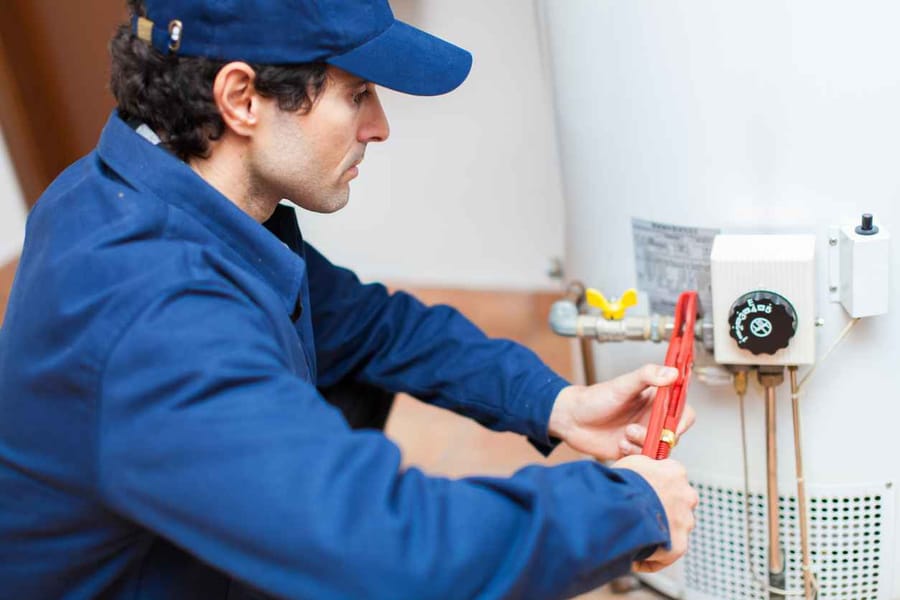
Your water heater works its hardest during the winter months to combat the freezing temperatures of incoming water. By the time spring arrives, most units have accumulated a fresh layer of sediment at the bottom of the tank. Homeowners often try to flush these units themselves, but an improper flush can actually do more harm than good.
Professional vs. DIY Water Heater Care
-
Sediment Removal: A professional flush uses higher pressure to ensure the heating elements are completely cleared of calcium and lime.
-
Safety Valve Testing: We test the temperature and pressure relief (T&P) valve to ensure it is not stuck, which is a critical safety check that many homeowners skip.
-
Efficiency Audit: We check the thermostat settings and the anode rod to extend the life of your tank, potentially saving you the 2,000-dollar cost of a premature replacement.
Sump Pumps: Your Basement’s First Line of Defense
With the arrival of spring rains and melting snow, your sump pump is the only thing standing between a dry basement and a disaster. Testing a sump pump involves more than just lifting the float switch.
What the DIY Eye Often Misses
-
Check Valve Failure: If the check valve is worn, water that is pumped out can flow right back into the pit, causing the pump to run continuously until it burns out.
-
Discharge Blockages: We inspect the entire discharge line to ensure it is not clogged with debris or frozen earth, which would prevent the water from leaving your property.
-
Pit Debris: Dirt and small stones can migrate into the sump pit during the winter, potentially jamming the impeller when the pump is needed most.
The Hidden Costs of DIY Plumbing Mistakes
Attempting to save a few hundred dollars on a professional inspection can lead to tens of thousands of dollars in restoration costs. Insurance companies in 2026 are increasingly diligent about checking whether repairs were performed by licensed professionals. If a DIY repair fails and causes a flood, your claim could be denied due to improper maintenance.
Why Professional Vigilance Wins
-
Advanced Tooling: We use thermal imaging and acoustic leak detectors that the average homeowner cannot access.
-
Code Compliance: Every repair we make is guaranteed to meet local building codes, protecting your home’s resale value.
-
Peace of Mind: Knowing that a licensed expert has cleared your system for the season allows you to enjoy the spring without the constant worry of a hidden leak.
Absolute Plumbing Spring Inspection Checklist
When you schedule a professional walkthrough with us, we go far beyond the basics. Our technicians follow a rigorous protocol to ensure every component of your system is accounted for.
Our Comprehensive Diagnostic Includes:
-
Visual Pipe Survey: Checking all exposed pipes for signs of corrosion, oxidation, or minor weeping.
-
Fixture Evaluation: Testing the shutoff valves under every sink and toilet to ensure they actually work in an emergency.
-
Water Quality Check: Inspecting for signs of hard water damage that could be shortening the lifespan of your appliances.
-
Main Line Diagnostic: Using camera technology to verify the health of your sewer and water service lines.
Trust Absolute Plumbing for a Comprehensive Spring Audit
Prevention is always more affordable than restoration. By choosing a professional inspection over a simple DIY glance, you are investing in the longevity and safety of your home. Our team at Absolute Plumbing is dedicated to finding the problems you cannot see, giving you the confidence to enjoy the warmer months without the threat of a plumbing emergency. Do not let a hidden winter crack become a major summer headache.
Protect your property today by contacting us to schedule your professional spring plumbing inspection.
Recent News
Transparent Plumbing Quotes: Why Honesty Matters in Flower Mound, TX
The Cost of Delay: How a Small Spring Leak Becomes a Summer Foundation Repair
Why North Texas Homes Experience More Pipe Leaks in Winter and Early Spring
Why Your Water Heater Struggles More During Winter in Flower Mound
How Soil Shifting in North Texas Impacts Sewer Lines and Drains
Gas Line Safety in Texas Homes: What to Do Before Cold Weather Arrives