Mon-Fri
8am-5pm


Is My Home’s Water Pressure Too High?
absolute plumbing Inc.
Back to Blog
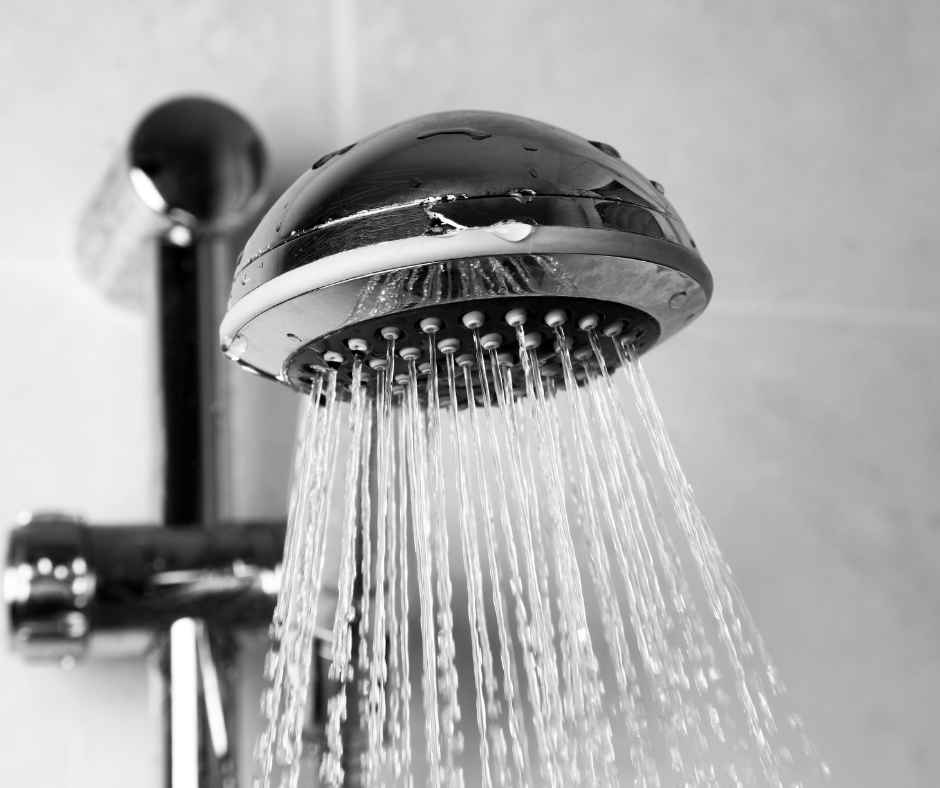
Is My Home’s Water Pressure Too High?
When it comes to your home’s plumbing, balance is everything. Water pressure that’s too low can make showers frustrating and dishwashing a chore, but water pressure that’s too high can be far more damaging in the long run. Many homeowners don’t realize that excessive water pressure can silently wear down their pipes, appliances, and fixtures, leading to costly repairs and wasted water. What seems like a “good, strong flow” may actually be a sign that something’s wrong.
High water pressure can cause leaks to develop faster, shorten the lifespan of water heaters and washing machines, and even contribute to sudden pipe bursts. These issues don’t just cause inconvenience; they can lead to expensive water damage and higher monthly bills.
In this blog, we’ll explore the common signs that your water pressure may be too high, what causes it, and the best solutions to protect your home. You’ll also learn some preventive steps you can take to avoid plumbing headaches in the future, along with when it’s time to call in the professionals at Absolute Plumbing for help.
The Dangers of Excessive Water Pressure in Residential Plumbing
High water pressure might feel like a luxury when you’re rinsing dishes or taking a shower, but it’s one of the most common hidden threats to a home’s plumbing system. In most residential settings, water pressure should be kept between 40 and 60 pounds per square inch (psi) to ensure both comfort and safety. Anything higher than 80 psi can put your plumbing system at serious risk.
When pressure levels are too high, the force of the water rushing through your pipes can weaken joints and fittings over time. Even sturdy copper or PEX pipes aren’t immune to the strain, and this constant stress can eventually lead to leaks or catastrophic bursts. Fixtures like faucets, showerheads, and toilets also take the brunt of the damage, wearing out much faster than they would under normal conditions.
Excessive water pressure doesn’t just harm plumbing; it can impact your appliances, too. Water heaters, dishwashers, washing machines, and refrigerators with water dispensers or ice makers all have internal valves and seals that can fail prematurely when exposed to high pressure. These repairs and replacements can add up quickly, turning what seemed like a minor inconvenience into a costly home maintenance issue.
By understanding the risks and monitoring your water pressure, you can prevent these problems before they start and extend the life of your home’s plumbing system.
What’s the Target Range for Water Pressure?
Most homes should keep water pressure between 40–60 psi. Anything higher can strain pipes and fixtures, while lower pressure makes showers and appliances less effective. If you’re unsure, a simple gauge on an outdoor spigot gives an accurate reading.
What PSI Is Too High for Water Pressure?
Anything above 80 psi is considered too high and can damage pipes, fixtures, and appliances. At that level, you’ll likely notice leaks, banging noises, or worn-out parts. A pressure regulator helps keep levels safely within range.
Key Signs Your Home’s Water Pressure Is Too High
Recognizing the warning signs of high water pressure early can save you from expensive plumbing repairs. While some symptoms are obvious, others are subtle and easy to overlook until major damage occurs. Paying attention to these clues can help you address the problem before it escalates.
Common Signs of Excessive Water Pressure
One of the first things many homeowners notice is unusual noises in the plumbing. Loud banging or knocking sounds, often called “water hammer,” can occur when water stops suddenly in pipes under high pressure. Over time, these jolts can loosen fittings and cause leaks.
Another common indicator is recurring drips or leaks, even after repairs. High pressure forces water through seals and joints, making it harder to keep fixtures watertight. You might also notice your appliances, like washing machines or dishwashers, breaking down sooner than expected. Toilets that seem to run constantly, faucets that drip, or sudden spikes in your water bill can all be linked to excessive pressure.
Causes of High Water Pressure in Homes
Excessive water pressure often comes from factors outside your control, but knowing the common causes helps you spot and solve the problem quickly.
- Municipal supply: City systems are often set high to serve fire hydrants or multi-story buildings.
- No PRV or failed PRV: Without a working pressure-reducing valve at the main line, excess pressure flows straight into your home.
- Thermal expansion: Water heaters without an expansion tank can push pressure higher as heated water expands.
- Utility work: Recent repairs or new mains in your area can create temporary pressure spikes.
By identifying both symptoms and root causes, you’ll be better prepared to choose the right solution for your home
Solutions for Managing and Fixing High Water Pressure
Once you’ve confirmed that your home’s water pressure is too high, the next step is deciding how to address it. While some fixes are simple enough for a homeowner to handle, others require the expertise of a licensed plumber. The right approach depends on the cause of the problem, the severity of the pressure, and the condition of your plumbing system.
Pressure Solutions That Actually Work
Adjust or Replace the Pressure-Reducing Valve (PRV)
Found near the main shutoff, the PRV keeps water pressure steady.
- Turn the set screw counter-clockwise to lower pressure (check your model).
- Replace if it won’t hold pressure, sticks, corrodes, or is 10+ years old.
Add a Thermal Expansion Tank
These tanks protect closed systems by absorbing pressure from heated water.
- Pick the right size for your water heater.
- Set the tank’s pressure to match your system.
Install Water Hammer Arrestors
Banging pipes from quick-closing valves? Arrestors fix that.
- Install at washers, ice makers, or dishwashers.
- Stops noise and reduces stress on pipes.
When to Call a Professional Plumber
If your home doesn’t have a pressure regulator at all, or your readings are well above 80 psi, it’s best to call in a professional. A licensed plumber can install a high-quality pressure-reducing valve (PRV) to control the flow coming into your home and protect your plumbing system.
You should also reach out to a professional if you’re experiencing frequent leaks, water hammer, or noticeable wear on appliances. These signs may indicate that high pressure has already caused damage that needs immediate attention. In some cases, the plumber may also recommend installing an expansion tank to relieve excess pressure caused by thermal expansion in your water heater.
Partnering with an expert ensures the problem is not just temporarily reduced but fully resolved, preventing future issues and giving you peace of mind.
Preventive Tips to Keep Your Home’s Water Pressure in Check
Addressing high water pressure once is important, but prevention is what keeps your plumbing healthy long-term. Adding a few simple habits to your routine can protect pipes, fixtures, and appliances for years to come.
- Test annually: An easy way to test your home’s water pressure is with a $10–$20 gauge. A quick gauge check once a year can reveal changes before they cause damage.
- Inspect the PRV: Have your PRV checked regularly; replace it promptly if worn or failing.
- Watch your bills: Sudden spikes in water use may point to hidden leaks or pressure issues.
- Add water-hammer arrestors: Protect pipes and fixtures from pressure surges and banging noises.
- Schedule plumbing checkups: A professional inspection can uncover small issues before they escalate.
By staying proactive, you’ll keep water pressure safe and extend the lifespan of your plumbing and appliances.
Keep Your Water Pressure Safe With Absolute Plumbing
High water pressure might seem like a small issue, but it can create big problems if left unchecked. From damaging your pipes and appliances to increasing your water bills, the risks are real and often costly. By recognizing the signs early, addressing the root causes, and taking preventive measures, you can keep your home’s plumbing system in top condition.
If you suspect your home’s water pressure is too high, don’t wait until a leak or burst pipe proves it. The team at Absolute Plumbing has the tools, expertise, and experience to diagnose the problem and implement lasting solutions. Whether you need a quick pressure test, a new pressure regulator, or a complete plumbing inspection, we’re here to help protect your home.
Contact Absolute Plumbing today to schedule your professional water pressure check and enjoy the peace of mind that comes from knowing your plumbing is safe and reliable.
Recent News
Transparent Plumbing Quotes: Why Honesty Matters in Flower Mound, TX
Professional Inspection vs. The “DIY Eye”: What Homeowners Miss in the Spring
The Cost of Delay: How a Small Spring Leak Becomes a Summer Foundation Repair
Why North Texas Homes Experience More Pipe Leaks in Winter and Early Spring
Why Your Water Heater Struggles More During Winter in Flower Mound
How Soil Shifting in North Texas Impacts Sewer Lines and Drains