End-of-Year Specials: $50 Off Full Hose Bib Replacement & $200 Off Hydro Jetting →



Inside a Plumbing Inspection: What We Check and Why It Matters
absolute plumbing Inc.
Back to Blog
Inside a Plumbing Inspection: What We Check and Why It Matters
A professional plumbing inspection is one of the most effective ways to protect your home from costly repairs, hidden damage, and unexpected emergencies. Many plumbing issues start small and stay out of sight until they become major problems. Routine inspections help catch these concerns early, improve efficiency, and ensure your fixtures, pipes, and appliances are working safely and effectively.
Understanding what happens during a plumbing inspection gives homeowners confidence and helps highlight why this service is so valuable. This blog explains what Absolute Plumbing checks during an inspection and how each step helps maintain a healthy, reliable plumbing system year round.
Why Plumbing Inspections Are Essential
Plumbing inspections play an important role in keeping your home safe, efficient, and protected from unexpected damage. Even small leaks, minor blockages, or subtle changes in water pressure can turn into costly repairs if not addressed early. A professional inspection helps identify problems before they escalate and ensures your plumbing system continues to operate smoothly.
Preventing Hidden Leaks and Water Waste
Many leaks occur behind walls, under floors, or in areas homeowners rarely check. An inspection helps detect:
-
Early moisture buildup
-
Dripping fixtures that waste water
-
Slow, hidden leaks that damage structures over time
-
Signs of mold or mildew near plumbing lines
Catching these issues early saves money on both utility bills and structural repairs.
Extending the Lifespan of Plumbing Systems
Routine inspections help maintain the health of your plumbing system by:
-
Identifying worn or aging components
-
Reducing strain on pipes and fixtures
-
Ensuring appliances like water heaters operate efficiently
-
Preventing long term corrosion and deterioration
With consistent checkups, homeowners enjoy better performance and fewer unexpected breakdowns.
What We Check: Fixtures and Water Pressure
During a plumbing inspection, fixtures and water pressure are among the first elements evaluated. These areas reveal important clues about the overall health of your plumbing system. Checking fixtures helps identify inefficiencies, leaks, or worn components, while monitoring water pressure ensures your pipes and appliances are operating safely.
Dripping Faucets or Slow Running Fixtures
Small fixture problems often point to bigger issues. During an inspection, we check for:
-
Dripping faucets that waste water
-
Mineral buildup restricting flow
-
Worn washers or cartridges
-
Slow running sinks or showers indicating partial clogs
Fixing minor fixture problems helps conserve water and improves overall performance.
High or Low Water Pressure Concerns
Water pressure affects everything from appliance performance to pipe safety. We evaluate:
-
Signs of excessively high pressure that strain pipes
-
Low pressure that indicates blockages or leaks
-
Pressure regulator condition and calibration
-
Flow rates at multiple fixtures throughout the home
Balanced water pressure is essential for safe and efficient plumbing.
Inspecting Drains and Sewer Lines
Healthy drains and sewer lines are essential for a clean and efficient plumbing system. During an inspection, we evaluate how well your drains are flowing and identify early warning signs of blockages or sewer issues. Detecting these problems early helps prevent backups, foul odors, and costly repairs.
Testing Drain Speed and Checking for Gurgling
Slow or noisy drains often signal deeper issues. We assess:
-
The speed at which water drains from sinks, tubs, and showers
-
Gurgling sounds that indicate trapped air or partial blockages
-
Standing water in fixtures that hints at drainage problems
-
Signs of buildup, grease, or foreign objects in drains
These checks help reveal problems before they turn into full clogs.
Using Cameras for Sewer Line Evaluations
A camera inspection provides a clear look inside your sewer line without excavation. This process can uncover:
-
Tree root intrusion
-
Cracks or pipe deterioration
-
Sagging or collapsed sections of pipe
-
Grease or debris buildup affecting flow
Camera inspections are highly effective at identifying hidden sewer issues early, saving homeowners time and money.
Water Heater Performance and Safety
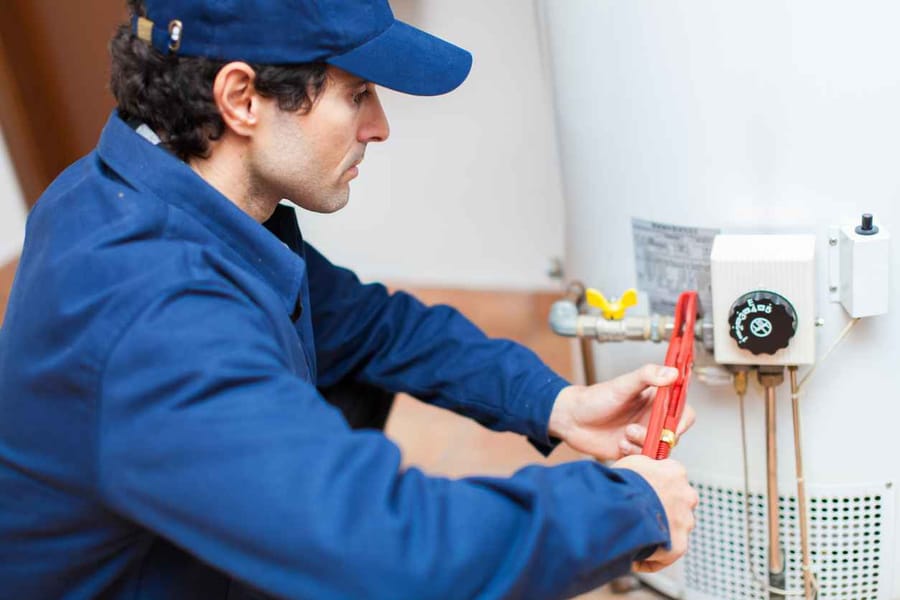
Your water heater plays a major role in daily comfort and energy efficiency. During a plumbing inspection, evaluating the water heater ensures it is operating safely and producing hot water reliably. Many issues that start small, such as sediment buildup or worn components, can affect efficiency or lead to unexpected failures if not addressed early.
Checking Temperature Settings and Sediment Buildup
Proper temperature control and tank cleanliness are essential for safe operation. We look for:
-
Temperature settings that are too high or too low
-
Sediment accumulation at the bottom of the tank
-
Reduced heating efficiency caused by mineral buildup
-
Delayed hot water delivery or inconsistent temperatures
Addressing these issues improves performance and extends the life of your water heater.
Inspecting Valves, Connections, and Tank Condition
A thorough inspection also includes checking critical components that affect safety and reliability. We evaluate:
-
The condition of the pressure relief valve
-
Corrosion or rust on the tank exterior
-
Water supply connections and shutoff valves
-
Signs of leaks or moisture around the tank base
These checks help prevent breakdowns and reduce the risk of water damage.
Leak Detection and Pipe Condition
Leak detection is one of the most important parts of any plumbing inspection. Even small, hidden leaks can cause mold growth, structural damage, and higher utility bills if they go unnoticed. Inspecting pipe condition helps identify wear, corrosion, and early signs of failure before they turn into expensive repairs.
Corrosion, Rust, and Early Pipe Deterioration
Pipes naturally age over time, but certain conditions can speed up deterioration. During an inspection, we check for:
-
Rust or discoloration on exposed pipes
-
Corrosion around joints and fittings
-
Mineral buildup indicating hard water issues
-
Early signs of weakened or thinning pipe walls
Identifying deterioration early allows for proactive repairs that prevent major plumbing emergencies.
Moisture Detection and Evaluating Vulnerable Areas
Many leaks are not visible at a glance. To catch hidden problems, we inspect:
-
Walls, floors, and cabinets for moisture or staining
-
Crawl spaces, basements, and attics where leaks often start
-
Pipe connections under sinks, behind appliances, and near water heaters
-
Areas with temperature fluctuations that increase leak risk
Detecting moisture early protects your home from long term damage and helps maintain a healthy, efficient plumbing system.
Examining Outdoor Plumbing and Home Exterior
Outdoor plumbing components are often overlooked, yet they play an important role in your home’s overall plumbing health. Exposure to weather, soil conditions, and seasonal changes can cause wear and hidden damage that affects your indoor plumbing as well. During an inspection, we evaluate outdoor systems to ensure they are functioning properly and protected from potential problems.
Hose Bibs, Irrigation Systems, and Exposed Piping
Outdoor water sources face constant exposure to temperature changes and environmental stress. We check for:
-
Leaks or drips at hose bibs
-
Cracked or aging irrigation lines
-
Corrosion or rust on exterior pipes
-
Loose or broken fittings and valves
These issues can waste water, reduce pressure, and lead to unseen damage underground or inside walls.
Proper Drainage Around the Home
Poor drainage can lead to moisture problems, soil shifting, and foundation damage. During the inspection, we assess:
-
Downspout direction and water flow patterns
-
Standing water near the foundation
-
Slope and grading around the home
-
Drainage systems that may need cleaning or adjustment
Good exterior drainage protects both your plumbing system and the structure of your home.
Safety Checks Homeowners Often Miss
A plumbing inspection is not only about efficiency and performance. It also ensures your home’s plumbing system operates safely. Many safety related components go unnoticed by homeowners, yet they are essential for preventing contamination, gas leaks, and emergency situations. During an inspection, Absolute Plumbing evaluates these areas to keep your home protected year round.
Backflow Prevention Testing
Backflow devices stop contaminated water from entering your clean water supply. Over time, these devices can fail without showing obvious signs. During an inspection, we check for:
-
Proper operation of the backflow prevention assembly
-
Signs of wear, damage, or debris buildup
-
Correct installation and positioning
-
Reduced pressure or flow irregularities
Ensuring the backflow system works properly protects your drinking water from contamination.
Verifying Proper Ventilation and Gas System Integrity
Gas powered water heaters and other appliances rely on proper ventilation and safe gas line connections. We inspect:
-
Vent pipes for blockages or incorrect installation
-
Gas lines for corrosion, leaks, or loose fittings
-
Pilot lights and burners for safe operation
-
Odors or warning signs that indicate a gas issue
These safety checks help prevent dangerous situations and ensure your home is operating up to current standards.
Keep Your Home Protected With a Professional Plumbing Inspection
A thorough plumbing inspection is one of the best investments you can make in your home. By identifying issues early, improving efficiency, and ensuring the safety of your system, you can avoid costly repairs and enjoy reliable performance year round. Whether you want to prevent hidden leaks, improve water pressure, or gain peace of mind, a professional inspection delivers valuable insight into the health of your plumbing.
Absolute Plumbing provides detailed, comprehensive inspections designed to protect every part of your system. Our experienced technicians evaluate fixtures, pipes, drains, water heaters, and safety devices to make sure your home is functioning at its best.
Reach out today to schedule your plumbing inspection and keep your system running smoothly.
Recent News
Is Hydro Jetting Worth It for Recurring Drain Problems in Flower Mound?
7 Signs You May Have a Gas Leak in Your Flower Mound, TX Home
Hard Water Crust on Disposal Blades: Fighting Limescale in Flower Mound Sinks
Low-Flow vs. High-Performance: Choosing Toilets for Flower Mound Homes
Electronic Descale Benefits for Flower Mound Homes: Pipe & Appliance Longevity
Summer Storm & Irrigation Impact on Flower Mound Drains & Sewer Lines