End-of-Year Specials: $50 Off Full Hose Bib Replacement & $200 Off Hydro Jetting →



Slab Leak Symptoms Every Flower Mound Homeowner Should Recognize
absolute plumbing Inc.
Back to Blog
Slab Leak Symptoms Every Flower Mound Homeowner Should Recognize
Flower Mound is a community built on a foundation of natural beauty and structural pride. From the sprawling estates near Grapevine Lake to the charming suburban streets of Bridlewood, our homes are our greatest investments. However, North Texas homeowners face a unique subterranean challenge that homeowners in other parts of the country rarely encounter: the shifting, expansive clay soil of the Blackland Prairie. This soil is the primary driver of one of the most stressful plumbing emergencies a resident can face, the slab leak.
At Absolute Plumbing, we have been diagnosing and repairing slab leaks in Flower Mound and the surrounding Denton County area for over two decades. We understand that a leak beneath a concrete foundation is not just a plumbing problem; it is a threat to your home’s structural integrity. Because these leaks are buried beneath inches of concrete and rebar, they are often silent until they have already caused significant damage.
This guide will help you identify the subtle symptoms of a slab leak before it escalates into a foundation crisis. By recognizing these red flags early, you can protect your home and ensure that your plumbing remains as solid as the foundation it sits upon.
The Flower Mound Factor: Why Slab Leaks Are So Common
To recognize the symptoms of a slab leak, you must first understand why they happen so frequently in Flower Mound. Our region is characterized by expansive clay soil. This soil acts like a giant sponge. During a wet North Texas spring, the clay absorbs moisture and expands, putting immense upward pressure on your concrete slab. During our scorching, dry summers, the clay shrinks, creating voids and causing the foundation to settle.
This constant tug-of-war between the soil and the concrete puts extreme stress on the copper or PEX water lines buried beneath the slab. Over time, the friction caused by the pipes rubbing against the concrete or the mechanical stress of a shifting foundation leads to a breach. As we move through 2026, we are seeing the cumulative effects of several years of dramatic weather shifts, making slab leak detection more critical than ever for local homeowners.
The Financial Red Flag: Unexplained Water Bill Spikes
The first sign of a slab leak is often found in your mailbox or your digital utility portal rather than in your home. If your bill from the Town of Flower Mound shows a sudden, unexplained increase in water consumption, your home is likely losing water where you cannot see it.
A slab leak is a constant event. Unlike a dripping faucet that you can turn off, a leak in a pressurized supply line runs twenty-four hours a day, seven days a week. Even a pinhole leak can waste thousands of gallons of water in a single billing cycle. If your household routines have not changed, no extra guests, no new swimming pool, no increased irrigation, but your bill has jumped by twenty or thirty percent, a slab leak is the most probable culprit.
The Barefoot Test: Warm or Hot Spots on the Floor
One of the most distinct symptoms of a slab leak involves the temperature of your flooring. If the leak is located in a hot water supply line, the escaping water will eventually heat the concrete slab and the flooring above it.
Take a walk through your home without shoes or socks. If you notice a specific area of your tile, hardwood, or carpet that feels noticeably warmer than the surrounding floor, you are likely standing over a hot water leak. These warm spots are often found in hallways, bathrooms, or near the kitchen island.
Because concrete is a dense material, it holds heat for a long time. If you find a warm spot that remains hot even when no one has used the shower or dishwasher for hours, it is a clear sign that hot water is continuously flowing into the soil beneath your home.
The Sound of Silence: Phantom Running Water
Your home should be quiet when all the faucets are off and the appliances are idle. If you are sitting in a quiet room and you hear a faint hissing, rushing, or trickling sound coming from behind the walls or beneath the floorboards, your plumbing is trying to tell you something.
Homeowners often describe the sound of a slab leak as a distant hum or the sound of a toilet that never finishes refilling. Because concrete dampens sound, these noises are often very subtle. You may only notice them late at night when the rest of the neighborhood is still. If you hear the sound of running water but the dial on your water meter is spinning while every tap is closed, you have a confirmed leak.
Visual Warnings: Foundation Cracks and Flooring Changes
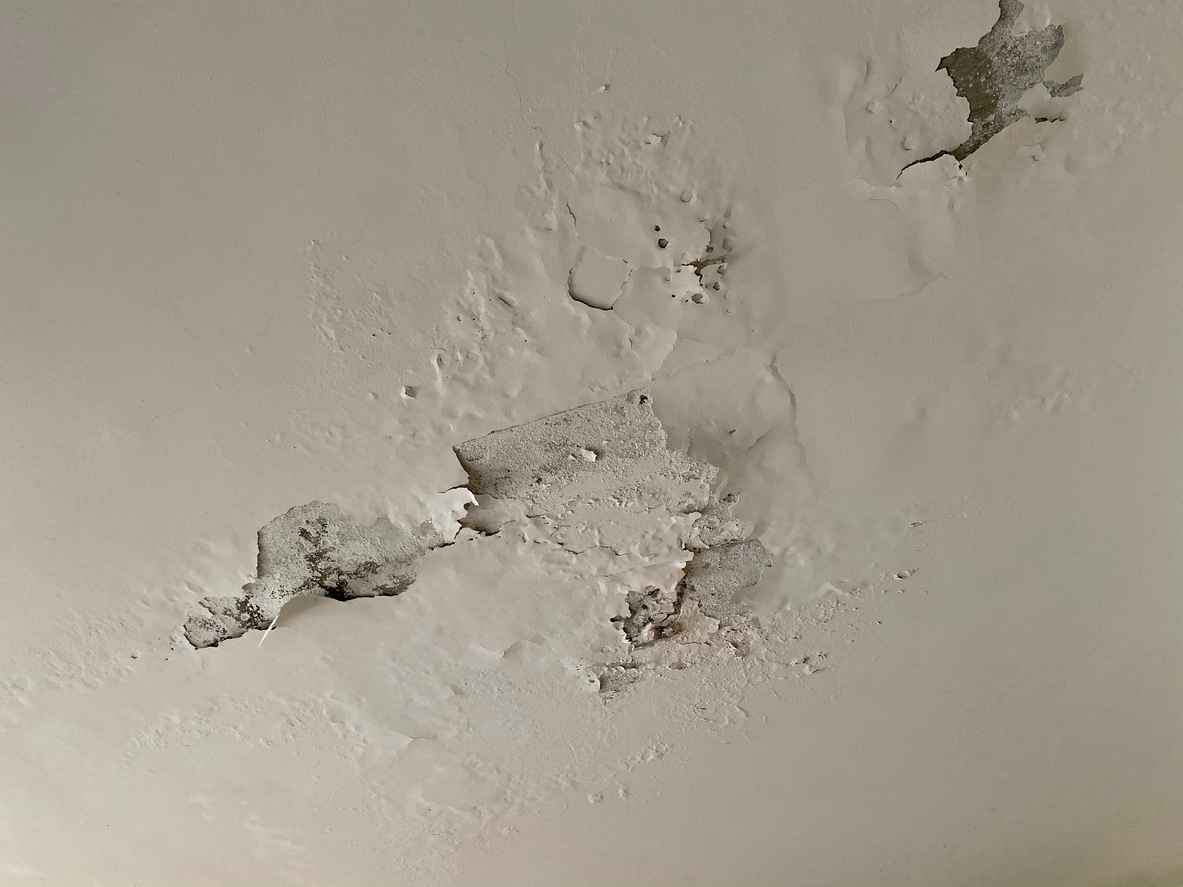
Water is a powerful solvent. When it escapes a pipe beneath your home, it begins to erode the soil that supports your foundation. This leads to uneven settling, which manifests as structural changes inside your living space.
Cracks in the Perimeter
Look for new or widening cracks in your baseboards, or where the walls meet the ceiling. If a slab leak has caused a section of your foundation to drop or heave, the drywall will buckle under the stress.
Flooring Distress
Water from a slab leak will eventually seek a path upward. This can cause various types of flooring damage:
- Buckling Hardwood: If your wood floors are cupping or the planks are starting to separate, moisture is likely rising through the slab.
- Loose or Cracked Tiles: If your floor tiles are cracking in a straight line or the grout is turning into a fine powder, the slab beneath them is moving.
- Damp Carpeting: In severe cases, water will saturate the padding beneath your carpet, leading to damp spots that appear out of nowhere.
The Olfactory Alert: Musty or Mildew Odors
In the humid North Texas environment, moisture trapped beneath a home is an invitation for mold and mildew. If you walk into a room and are greeted by a persistent, musty odor that persists despite deep cleaning, the source is likely hidden.
Slab leaks create a damp environment that is perfect for mold colonies. These spores can travel through your HVAC system and impact your indoor air quality. If your family is experiencing unexplained allergies or respiratory issues alongside a musty smell in the home, a slab leak could be the underlying cause.
Why Professional Detection is Essential
A slab leak is not a DIY project. Because the leak is hidden, attempting to find it without the right tools is like looking for a needle in a concrete haystack. At Absolute Plumbing, we use high-tech diagnostic equipment to pinpoint the exact location of the breach.
- Electronic Leak Detection: We use acoustic listening devices that can hear the specific frequency of water escaping a pipe through inches of concrete.
- Thermal Imaging: We use infrared cameras to see the heat signature of a hot water leak through your flooring.
- Pressure Testing: We isolate sections of your plumbing to determine which specific line has lost integrity.
By pinpointing the leak precisely, we avoid unnecessary destruction of your flooring. We can often perform a targeted repair or a “pipe reroute” that bypasses the damaged section entirely, saving you thousands of dollars in restoration costs.
Act Before the Damage Spreads
A slab leak is a silent threat, but it is not an unbeatable one. By recognizing the symptoms, the high bills, the warm spots, and the strange sounds, you can take control of your home’s health. In Flower Mound, proactive maintenance is the only way to stay ahead of the expansive clay soil. If you suspect a leak beneath your feet, do not wait for the foundation to crack.
Reclaim your peace of mind and protect your foundation. Contact Absolute Plumbing today for professional slab leak detection and repair. We are the Flower Mound experts who do the job right the first time!
Recent News
Is Hydro Jetting Worth It for Recurring Drain Problems in Flower Mound?
7 Signs You May Have a Gas Leak in Your Flower Mound, TX Home
Hard Water Crust on Disposal Blades: Fighting Limescale in Flower Mound Sinks
Low-Flow vs. High-Performance: Choosing Toilets for Flower Mound Homes
Electronic Descale Benefits for Flower Mound Homes: Pipe & Appliance Longevity
Summer Storm & Irrigation Impact on Flower Mound Drains & Sewer Lines