End-of-Year Specials: $50 Off Full Hose Bib Replacement & $200 Off Hydro Jetting →



Hard Water Crust on Disposal Blades: Fighting Limescale in Flower Mound Sinks
absolute plumbing Inc.
Back to Blog
Hard Water Crust on Disposal Blades: Fighting Limescale in Flower Mound Sinks
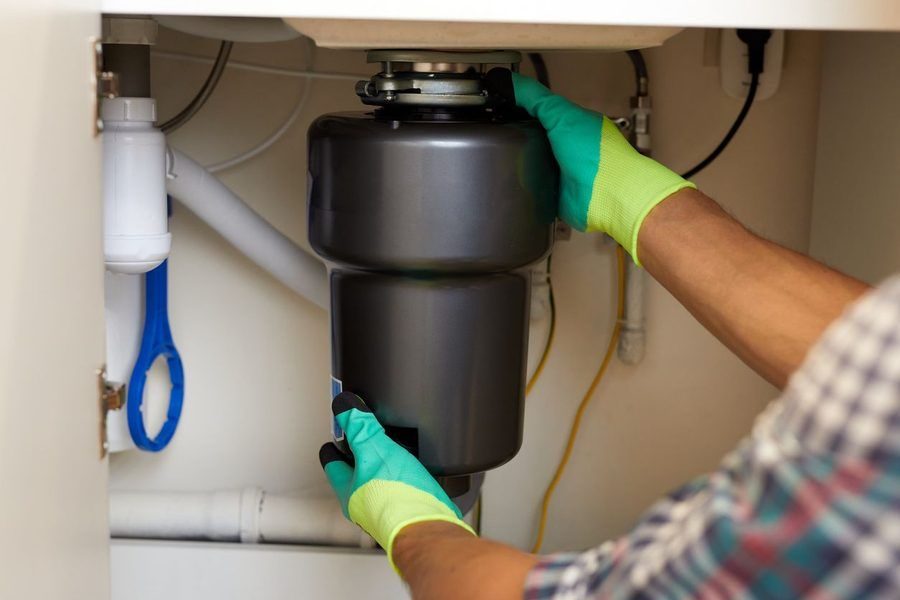
A garbage disposal is the unsung hero of the kitchen sink, grinding away food scraps and keeping dishwashing routines running smoothly. But when your disposal starts humming loudly, grinding slowly, or emitting a persistent musty odor despite frequent cleaning, the culprit is often something hiding beneath the splash guard: rock-hard limescale crust.
In Flower Mound, Highland Village, Lewisville, and across Denton County, municipal tap water carries high concentrations of dissolved minerals. Every time you run cold or hot water while rinsing dishes, calcium and magnesium deposit onto the metal components inside your sink drain. Over time, these mineral layers coat the grinding ring, impellers, and shredder plate in a white, chalky crust.
Absolute Plumbing has been helping Flower Mound families keep their kitchen plumbing clean, efficient, and free of stubborn mineral deposits for years. This guide breaks down how hard water damages kitchen disposals, how to safely remove limescale buildup, and how to protect your kitchen sink from ongoing mineral crusting.
The Flower Mound Water Reality: Minerals in Every Drop
Water hardness is measured in grains per gallon (GPG) of dissolved calcium and magnesium. According to municipal water quality standards, water measuring above 10.5 GPG is classified as “very hard.”
Groundwater and surface water sources across the North Texas region pick up rich limestone and calcium deposits from local subterranean rock layers. When this mineral-heavy tap water splashes around inside your disposal unit, it leaves microscopic trace minerals behind as the moisture evaporates.
How Limescale Destroys Garbage Disposal Performance
Many homeowners assume garbage disposals contain sharp spinning knives. In reality, modern disposals use a rotating turntable equipped with dual swiveling impellers (lugs) that force food waste against a stationary outer grinding ring.
When hard water crust builds up inside this chamber, it causes several mechanical and sanitary problems:
1. Seized or Jammed Impeller Lugs
The metal impellers on the grinding plate must swivel freely to push food against the outer shredder ring. When limescale crust accumulates around the base of these swiveling lugs, it glues them in place. Fixed, unswiveling impellers cannot process food waste efficiently, leading to frequent jams, motor hums, and tripped reset buttons.
2. Dulling of the Outer Grinding Ring
While the grinding ring does not rely on razor-sharp edges, its raised metal ridges require defined edges to pulverize organic material. A thick coating of calcium carbonate rounds off these ridges, turning a high-speed grinder into a sluggish, inefficient tub that shreds food into stringy chunks rather than fine particles.
3. Odor Traps and Organic Sludge Layers
Limescale is not smooth; it creates a porous, rough texture that acts like liquid sandpaper inside your sink. Food particles, grease, and coffee grounds cling to this chalky surface, creating a permanent layer of decaying organic sludge that resists basic rinsing and produces persistent foul sink odors.
4. Premature Motor Strain and Shaft Seal Leaks
When blades and impellers are encrusted with heavy scale, the electric motor works significantly harder to turn the grinding plate. This extra thermal and mechanical resistance strains internal motor bearings and degrades the lower rubber shaft seal, eventually causing rusty, dirty water to leak out of the bottom of the disposal cabinet onto your wooden kitchen sink floor.
Safe DIY Limescale Removal vs. Harmful Chemicals
Clearing hard water crust out of a garbage disposal requires the right technique. Using the wrong household chemicals can ruin internal seals, corrode copper drain lines, or create dangerous chemical splatters.
What to Use:
-
Ice Cubes and Coarse Rock Salt: Fill the disposal unit with two cups of ice cubes and a half-cup of coarse rock salt or sea salt. Run cold water and turn the unit on. As the impellers crush the ice, the hard ice chips and coarse salt crystals physically scour limescale crust off the impellers, grinding ring, and chamber walls without damaging the metal.
-
Distilled White Vinegar and Baking Soda: Pour a half-cup of baking soda into the disposal, followed by one cup of plain white distilled vinegar. Allow the natural foaming reaction to sit for 15 to 20 minutes. The mild acetic acid in vinegar dissolves thin calcium carbonate deposits while neutralizing trapped organic odors. Flush thoroughly with cold water.
-
Citrus Peels: Drop lemon or orange peels into the unit while running cold water. The natural citric acid helps loosen light mineral film while releasing a clean, natural citrus aroma.
What Not to Use:
-
Commercial Chemical Drain Cleaners (Lye/Acid): Harsh liquid drain openers generate intense thermal reactions that warp rubber splash guards, melt internal PVC fittings, and degrade rubber motor seals, causing immediate leaks.
-
Undiluted Chlorine Bleach: Bleach hardens grease, corrodes stainless steel components over time, and fails to dissolve mineral scale or calcium carbonate deposits.
Long-Term Solutions: Protecting Your Kitchen Plumbing
If you find yourself constantly battling limescale crust inside your sink disposal, taking structural steps to manage water quality delivers long-term peace of mind.
-
Install a Whole-Home Water Softener: An ion-exchange water softener removes calcium and magnesium ions at the main supply line, preventing hard water scale from ever coating your disposal blades, dishwasher, showerheads, or water heater.
-
Always Run COLD Water During Grinding: Always use cold water when running your disposal. Cold water solidifies fats and grease so the impellers can chop them up, while hot water speeds up mineral precipitation and scale bonding inside the grinding chamber.
-
Schedule Annual Plumbing Maintenance: Having a licensed plumber inspect kitchen drain lines, test disposal motor draws, and evaluate p-trap connections prevents sudden kitchen drain blockages before they cause major water damage under your sink.
Keep Your Kitchen Sink Running Smoothly
You do not have to put up with a noisy, foul-smelling, or jammed garbage disposal. Understanding how local hard water impacts kitchen plumbing allows you to take simple, proactive steps to preserve your appliances and enjoy a clean, efficient kitchen.
Taking a proactive approach to mineral scale management protects your disposal motor, keeps sink drains flowing freely, and extends the operational lifespan of your entire kitchen plumbing network.
Restore clean, dependable performance to your kitchen sink today. Contact Absolute Plumbing today to schedule your plumbing service!
Recent News
Is Hydro Jetting Worth It for Recurring Drain Problems in Flower Mound?
7 Signs You May Have a Gas Leak in Your Flower Mound, TX Home
Low-Flow vs. High-Performance: Choosing Toilets for Flower Mound Homes
Electronic Descale Benefits for Flower Mound Homes: Pipe & Appliance Longevity
Summer Storm & Irrigation Impact on Flower Mound Drains & Sewer Lines
Slab Leak Symptoms Every Flower Mound Homeowner Should Recognize