End-of-Year Specials: $50 Off Full Hose Bib Replacement & $200 Off Hydro Jetting →



7 Signs You May Have a Gas Leak in Your Flower Mound, TX Home
absolute plumbing Inc.
Back to Blog
7 Signs You May Have a Gas Leak in Your Flower Mound, TX Home
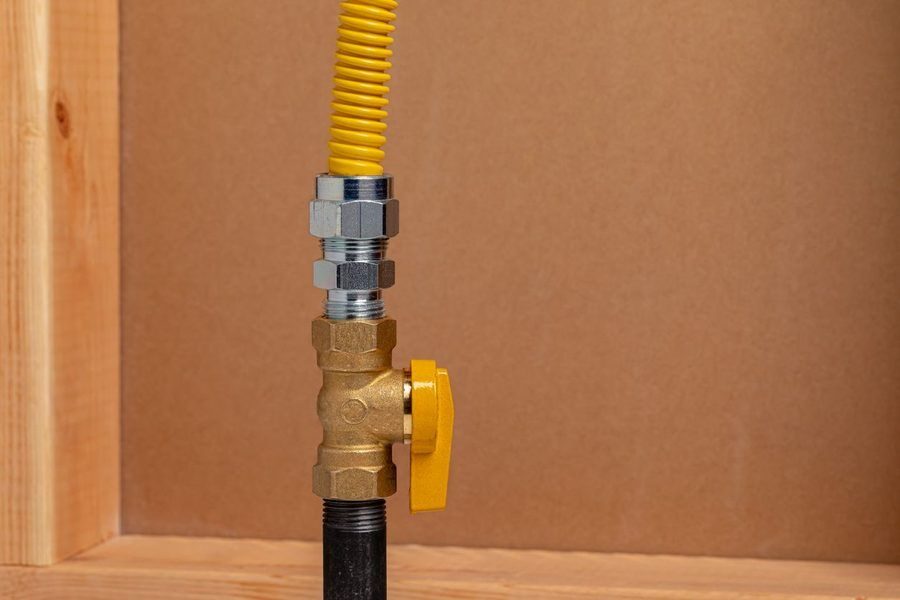
Natural gas powers many of the appliances Flower Mound homeowners rely on every day, including furnaces, water heaters, ranges, fireplaces, and other equipment. While natural gas systems are designed for safe operation, a damaged pipe, connection, or appliance can potentially allow gas to escape.
Knowing the signs of a gas leak in your Flower Mound, TX home can help you recognize when immediate action is necessary. A suspected natural gas leak should always be treated as a potential emergency. Instead of trying to locate the source yourself, leave the area and report the suspected leak from a safe location.
What Should You Do If You Suspect a Gas Leak?
If you smell or otherwise suspect a natural gas leak, leave the area immediately. Once you are a safe distance away, call 911 and Atmos Energy’s 24-hour emergency number at 866-322-8667. Atmos Energy advises against operating electrical switches, using phones, opening garage doors, starting vehicles, lighting matches, or attempting to shut off a natural gas valve while in the affected area because these actions could create an ignition source.
Do not return to the property until emergency personnel or the utility indicates it is safe. Once the immediate hazard has been addressed, a qualified professional can complete necessary repairs to customer-owned gas piping or appliances.
Here are seven warning signs Flower Mound homeowners should know.
1. A Rotten Egg or Sulfur-Like Smell
One of the most recognizable signs of a natural gas leak is an unusual odor commonly compared to rotten eggs or a skunk.
Natural gas is naturally odorless. Utilities add an odorant to help people recognize when gas may be escaping. Atmos Energy identifies mercaptan as an odorant used to give natural gas its distinctive smell.
Never remain inside your home trying to determine which appliance or pipe is producing the odor. Even if the smell seems faint, leave the area and report it from a safe location.
Smell is also not the only way to identify a possible leak. Individual ability to detect the odor varies, and other smells can sometimes mask it.
2. Hissing or Whistling Near Gas Equipment
A hissing or whistling sound near a gas appliance, meter, connection, or pipe can indicate escaping gas. Atmos Energy lists hissing or whistling sounds near appliances and roaring sounds near pipelines among potential signs of a natural gas leak.
Do not approach the sound or attempt to pinpoint where it is coming from.
If you hear an unexplained hissing sound and believe natural gas could be involved, move away from the area and follow gas emergency procedures.
3. Dead or Discolored Vegetation Near a Gas Line
Not every sign of a gas leak occurs inside the house. Underground gas leaks can sometimes produce visible changes outside.
A patch of dead, dying, or discolored vegetation near the route of an underground gas line can be a warning sign, particularly when surrounding vegetation remains healthy. Atmos Energy specifically advises customers to watch for dead vegetation around gas lines.
However, damaged grass or landscaping does not automatically mean you have a gas leak. Texas heat, drought, pests, plant disease, irrigation problems, and other conditions can cause similar symptoms.
When unusual vegetation is accompanied by other gas leak warning signs, leave the area and report the concern rather than digging to investigate.
4. Bubbling Water or Blowing Dirt Outside
Escaping underground gas can sometimes disturb the ground above it.
Atmos Energy identifies bubbling water and blowing dust or dirt near a gas line as visual signs that could indicate a leak.
For example, persistent unexplained bubbling in standing water near a buried gas line may warrant immediate attention.
Never dig into the ground to look for a suspected gas leak. Excavation itself can damage underground utility lines and create a dangerous situation. For planned digging projects, homeowners should contact 811 before excavation so underground utility-owned lines can be located and marked.
5. Unexplained Physical Symptoms
Feeling unusually dizzy, lightheaded, nauseated, fatigued, or experiencing a headache inside the home can indicate several different problems. These symptoms should never be used to diagnose a natural gas leak by themselves.
It is also important to understand the difference between a natural gas leak and carbon monoxide exposure.
Natural gas leaks involve unburned fuel escaping from piping, connections, or equipment. Carbon monoxide, or CO, can be produced when fuel-burning equipment does not burn fuel properly. Unlike odorized natural gas, carbon monoxide is colorless and odorless.
If people inside the home suddenly feel ill, especially if symptoms improve after going outside, move to fresh air and seek appropriate emergency assistance. If a carbon monoxide alarm sounds, leave the home and follow the alarm manufacturer’s and emergency authorities’ instructions.
6. Unusual Gas Appliance Behavior
Problems with a gas furnace, water heater, range, fireplace, or another fuel-burning appliance do not necessarily mean gas is leaking. However, unusual appliance operation should not be ignored.
Potential warning signs include:
-
Difficulty igniting
-
Repeated ignition problems
-
Unexpected shutdowns
-
Unusual flame behavior
-
Persistent unusual odors
-
Visible damage to gas connections
These symptoms can have several possible causes, which is why professional diagnosis matters.
If you actively smell gas or suspect a leak, do not stay near the appliance to inspect it. Leave the property and follow emergency procedures. If there is no suspected active leak but an appliance is operating abnormally, have it professionally inspected before continuing to rely on it.
7. An Unexplained Increase in Natural Gas Usage
An unusual increase in natural gas consumption can be another reason to investigate your home’s gas system.
However, a higher gas bill does not automatically mean you have a leak.
Natural gas consumption can increase because of colder weather, thermostat changes, greater hot water usage, additional appliance use, equipment performance problems, or changes in household routines. Rates and billing periods can also affect the amount you pay.
If your usage changes significantly without an obvious explanation, it may be worth having your gas appliances and customer-owned piping evaluated. If the increased usage occurs alongside an odor, hissing sound, dead vegetation, or another potential leak warning sign, follow emergency gas leak procedures.
Can You Have a Gas Leak Without Smelling It?
Yes. Homeowners should not rely solely on smell to detect every natural gas leak.
Atmos Energy notes that continued exposure to an odorant can reduce a person’s ability to notice it, other odors can mask the smell, and some people have a diminished sense of smell. Certain soil conditions can also reduce odor intensity in rare situations.
That is why homeowners should also recognize visual and audible warning signs.
Residential methane detectors are also available, although they should be selected, installed, and maintained according to manufacturer instructions and applicable standards. A detector should not be considered a substitute for responding to other signs of a possible leak.
Natural Gas Leak vs. Carbon Monoxide: What’s the Difference?
Natural gas and carbon monoxide are two different hazards.
Natural Gas
Natural gas is a combustible fuel. A leak can create a fire or explosion hazard if escaping gas accumulates and encounters an ignition source.
Because household natural gas is odorized, a rotten egg or skunk-like smell can help alert people to a release.
Carbon Monoxide
Carbon monoxide can result from improperly operating or maintained fuel-burning equipment. It has no color or odor, which is why homes with fuel-burning appliances should have functioning CO alarms.
A carbon monoxide alarm does not replace gas leak detection, and smelling natural gas does not replace the need for CO alarms.
Where Can Gas Leaks Develop in a Home?
Potential gas problems can involve several parts of a residential system, including:
-
Gas supply piping
-
Appliance connections
-
Valves and fittings
-
Gas furnaces
-
Water heaters
-
Ranges and ovens
-
Fireplaces
-
Outdoor gas appliances
Customer-owned piping requires proper maintenance. Atmos Energy advises customers to have their piping periodically inspected for leaks and metallic piping inspected for corrosion.
What Causes Residential Gas Leaks?
Gas leaks can have different causes depending on the piping and equipment involved.
Possible causes include aging or damaged piping, deteriorated connections, corrosion, appliance problems, improper installation, physical damage, or excavation near underground lines.
Severe weather can also affect natural gas infrastructure. Atmos Energy notes that underground distribution lines can potentially be damaged by events such as uprooted trees and shifting foundations.
A qualified professional should determine the actual cause rather than relying on symptoms alone.
Can You Check for a Gas Leak Yourself?
If you currently suspect an active natural gas leak, do not attempt to find the source yourself.
Do not use a match or lighter to search for a leak. Do not operate electrical switches, unplug equipment, use your phone inside the affected area, start a nearby vehicle, or attempt to shut off the gas valve. Leave first and make emergency calls from a safe location.
After the utility or emergency personnel have addressed the immediate danger, a qualified professional can perform appropriate testing and repairs.
Call Absolute Plumbing for Gas Line Service in Flower Mound, TX
Recognizing the signs of a gas leak can help Flower Mound homeowners know when immediate action is necessary. Rotten egg odors, hissing sounds, unusual outdoor conditions, appliance problems, and unexplained changes in gas usage can all warrant attention.
If you suspect an active gas leak, leave immediately and call 911 and your natural gas utility from a safe location. Once the property has been evaluated and the immediate hazard is resolved, professional repairs may be necessary before normal gas service can safely resume.
For customer-owned gas line problems and related plumbing repairs, contact Absolute Plumbing for professional gas line service in Flower Mound, TX.
Recent News
Is Hydro Jetting Worth It for Recurring Drain Problems in Flower Mound?
Hard Water Crust on Disposal Blades: Fighting Limescale in Flower Mound Sinks

Low-Flow vs. High-Performance: Choosing Toilets for Flower Mound Homes
Electronic Descale Benefits for Flower Mound Homes: Pipe & Appliance Longevity
Summer Storm & Irrigation Impact on Flower Mound Drains & Sewer Lines
Slab Leak Symptoms Every Flower Mound Homeowner Should Recognize