End-of-Year Specials: $50 Off Full Hose Bib Replacement & $200 Off Hydro Jetting →



Why Are White Spots Appearing on Your Faucets and Shower Doors?
absolute plumbing Inc.
Back to Blog
Why Are White Spots Appearing on Your Faucets and Shower Doors?
Have you noticed white spots covering your bathroom faucets or cloudy streaks appearing on your shower doors? Even after a thorough cleaning, these stubborn marks seem to return almost immediately.
For homeowners in Flower Mound, TX, recurring white spots may indicate a common household water issue: hard water.
While mineral deposits might seem like a minor cosmetic inconvenience, they can also affect plumbing fixtures, showerheads, and certain household appliances over time.
Understanding what causes these spots and how to prevent them can help you keep your bathroom cleaner while protecting your plumbing system.
What Causes White Spots on Faucets and Shower Doors?
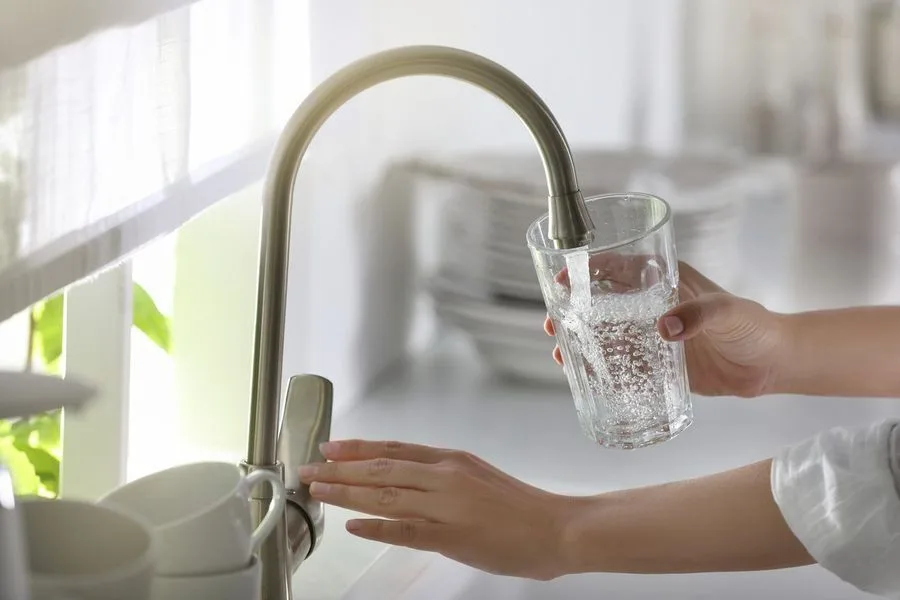
White spots on faucets and shower doors are usually caused by hard water, which contains dissolved minerals such as calcium and magnesium. When water droplets evaporate, these minerals remain on surfaces, creating cloudy spots, chalky residue, and stubborn buildup.
Hard water stains commonly appear on:
-
Bathroom faucets
-
Glass shower doors
-
Showerheads
-
Bathtubs and tile
-
Stainless steel fixtures
-
Kitchen sinks
Why Do Hard Water Spots Keep Coming Back?
Every time you use your shower or sink, small water droplets collect on nearby surfaces.
As the water evaporates, dissolved minerals remain behind. Repeated exposure creates increasingly noticeable deposits.
Cleaning removes existing residue, but it doesn’t change the mineral content of your water.
That’s why hard water spots can return shortly after you’ve cleaned your bathroom.
1. Hard Water Leaves Calcium and Magnesium Deposits
Hard water contains naturally occurring dissolved minerals, primarily calcium and magnesium.
These minerals enter water supplies as water moves through mineral-containing soil and rock formations.
Is Hard Water Common in Flower Mound, TX?
Water hardness varies depending on the water source, treatment processes, and individual household conditions.
Homeowners in Flower Mound and surrounding North Texas communities may encounter mineral deposits associated with hard water.
However, the only reliable way to determine your home’s water hardness is through testing.
What Does Hard Water Buildup Look Like?
Common signs include:
-
White or cloudy spots on shower glass
-
Chalky residue around faucets
-
Crusty deposits on showerheads
-
Dull or streaky chrome finishes
-
Mineral buildup around drains
These deposits may become more difficult to remove when left untreated.
2. Soap Scum Can Make White Residue Worse
Not every cloudy mark on your shower door comes directly from evaporated water.
Hard water can also contribute to soap scum formation.
How Can You Tell the Difference Between Hard Water Stains and Soap Scum?
Hard water stains usually appear as chalky, cloudy, or crusty deposits where water repeatedly dries.
Soap scum develops when certain soap ingredients react with minerals in the water, leaving behind a film.
Soap scum may feel waxy or sticky and often collects on shower doors, walls, and bathtubs.
Both types of residue can develop together, making bathroom surfaces look cloudy even after regular cleaning.
3. Mineral Buildup Can Affect More Than Your Bathroom Fixtures
White spots may be the most visible sign of hard water, but mineral accumulation can also affect plumbing components.
Can Hard Water Damage Your Plumbing?
Over time, hard water may contribute to:
-
Scale buildup inside certain pipes and fixtures
-
Reduced flow through showerheads
-
Clogged faucet aerators
-
Mineral accumulation in water heaters
-
Reduced efficiency in some water-heating equipment
-
Increased plumbing maintenance needs
For example, mineral deposits can gradually collect inside a showerhead, restricting the openings where water flows.
The severity of these problems depends on water hardness, temperature, plumbing materials, and other household conditions.
Addressing recurring mineral buildup early may help reduce maintenance concerns.
4. How to Remove White Hard Water Spots From Faucets and Shower Doors
Removing hard water stains doesn’t always require aggressive cleaning products.
The safest approach depends on the surface material and manufacturer’s recommendations.
How Do You Remove Calcium Buildup From Faucets?
Start with these steps:
-
Wipe the fixture using warm water and mild dish soap.
-
Gently clean the surface with a soft microfiber cloth.
-
Use a manufacturer-approved mineral deposit remover if necessary.
-
Rinse thoroughly.
-
Dry the fixture to prevent additional spotting.
Avoid abrasive scrubbers that may scratch chrome, brushed nickel, or other decorative finishes.
Acidic cleaners, including vinegar, can damage certain faucet finishes and natural stone surfaces. Always verify that a cleaning product is safe for the material.
How Do You Clean Hard Water Spots From Shower Glass?
Use a cleaner approved for your shower glass and any protective coating.
Gently wipe the surface with a nonabrasive cloth, rinse thoroughly, and dry using a microfiber towel.
For stubborn deposits, follow the glass manufacturer’s cleaning recommendations rather than using harsh chemicals or abrasive tools.
5. How to Prevent White Spots From Returning
Although cleaning removes existing mineral deposits, preventing water from drying on surfaces can help reduce future spotting.
Does Drying Your Shower Doors Prevent Hard Water Stains?
Yes. Removing water droplets before they evaporate reduces the minerals left behind.
Helpful prevention habits include:
-
Use a squeegee after showering.
-
Dry faucets with a microfiber cloth.
-
Wipe shower glass regularly.
-
Clean mineral deposits before they harden.
-
Inspect faucet aerators and showerheads for buildup.
-
Maintain appropriate bathroom ventilation.
These habits can make cleaning easier, but they won’t remove hardness minerals from your water supply.
For recurring problems, water treatment may provide a more comprehensive solution.
6. Can a Water Softener Stop Hard Water Spots?
Water softeners address the minerals responsible for many hard water stains.
Instead of repeatedly removing deposits from bathroom surfaces, a water softener reduces the hardness of the water entering your home’s plumbing system.
How Do Water Softeners Work?
Traditional ion-exchange water softeners remove calcium and magnesium hardness ions by exchanging them for sodium or potassium ions.
Reducing these minerals can help:
-
Limit scale accumulation
-
Reduce mineral spotting
-
Minimize certain types of soap scum
-
Improve soap performance
-
Reduce buildup in compatible plumbing equipment
However, water softeners don’t guarantee completely spotless shower doors or eliminate the need for routine cleaning.
Is a Water Softener Worth It for Flower Mound Homes?
A water softener may be worth considering if your household experiences persistent mineral deposits or scale-related plumbing concerns.
Before investing in a system, consider your water hardness level, household water usage, installation requirements, maintenance needs, and budget.
Professional water testing can help determine whether a softener is appropriate.
How Do You Know If Your Flower Mound Home Has Hard Water?
Look for these common warning signs:
-
White spots frequently appear on faucets.
-
Shower doors develop cloudy mineral deposits.
-
Showerheads accumulate chalky buildup.
-
Soap scum returns quickly.
-
Dishes and glasses look cloudy after washing.
-
Faucet aerators develop mineral deposits.
-
Cleaning doesn’t keep stains away for long.
Although these signs suggest hard water, testing is the best way to confirm your water’s hardness.
When Should You Call a Plumber About Hard Water Buildup?
Occasional water spots are generally a cleaning concern. However, recurring mineral accumulation may warrant professional evaluation.
Consider contacting a plumber if:
-
Mineral deposits repeatedly return.
-
Water flow decreases at faucets or showerheads.
-
Multiple fixtures develop heavy scale.
-
Your water heater shows performance problems.
-
You’re considering a water treatment system.
A professional plumber can inspect affected fixtures, evaluate plumbing concerns, and recommend appropriate next steps.
Address Hard Water Problems With Absolute Plumbing in Flower Mound, TX
White spots on faucets and shower doors are often more than an annoying cleaning problem. They can indicate mineral-rich water that contributes to buildup throughout your home. Regular cleaning and drying can reduce visible stains, while water testing and appropriate treatment may help address the underlying cause.
Tired of white spots returning to your faucets and shower doors? Contact Absolute Plumbing in Flower Mound, TX, to discuss your hard water concerns and keep your home’s plumbing fixtures in better condition.
Recent News
Water Heater FloodStop Not Working? How to Reset It and Restore Water Flow
Is Hydro Jetting Worth It for Recurring Drain Problems in Flower Mound?
7 Signs You May Have a Gas Leak in Your Flower Mound, TX Home
Hard Water Crust on Disposal Blades: Fighting Limescale in Flower Mound Sinks
Low-Flow vs. High-Performance: Choosing Toilets for Flower Mound Homes
Electronic Descale Benefits for Flower Mound Homes: Pipe & Appliance Longevity